The Stories Behind Old Japan
冨嶽三十六景Fugaku sanjūrokkei
"Thirty-six Views," Forty-six Prints
How Hokusai's Mount Fuji Series Was Planned and Sold
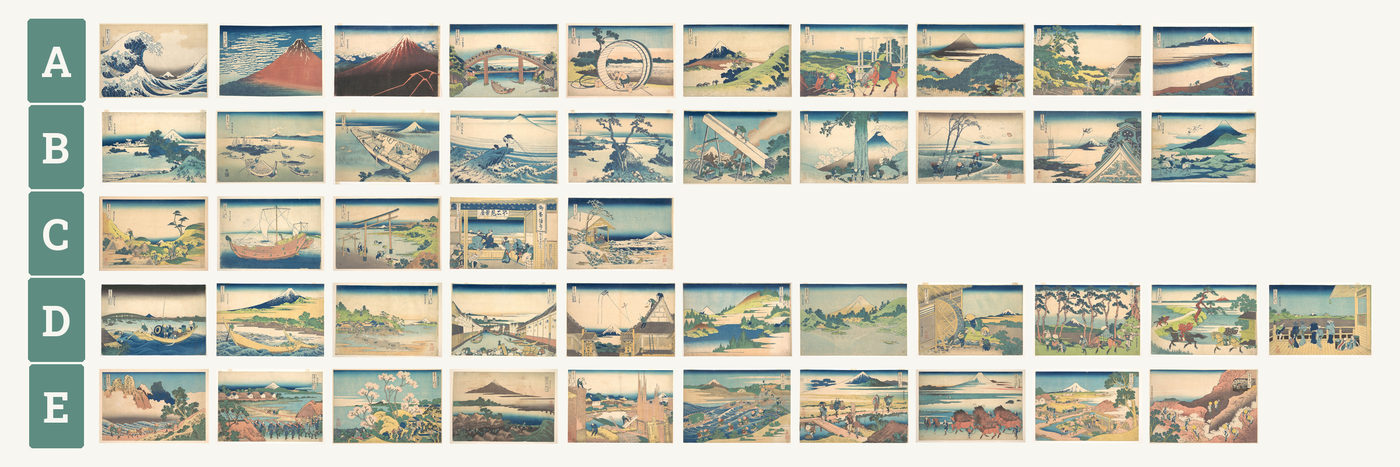
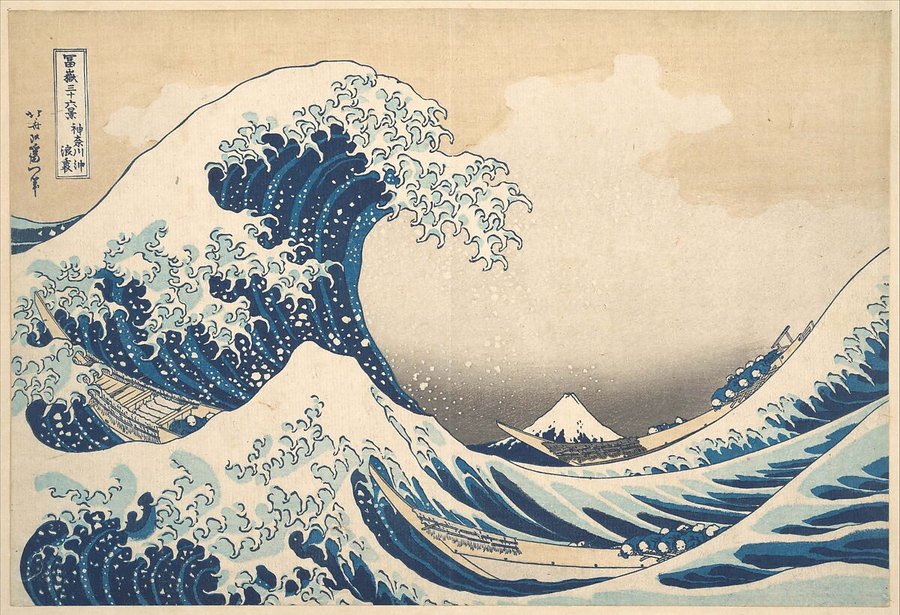
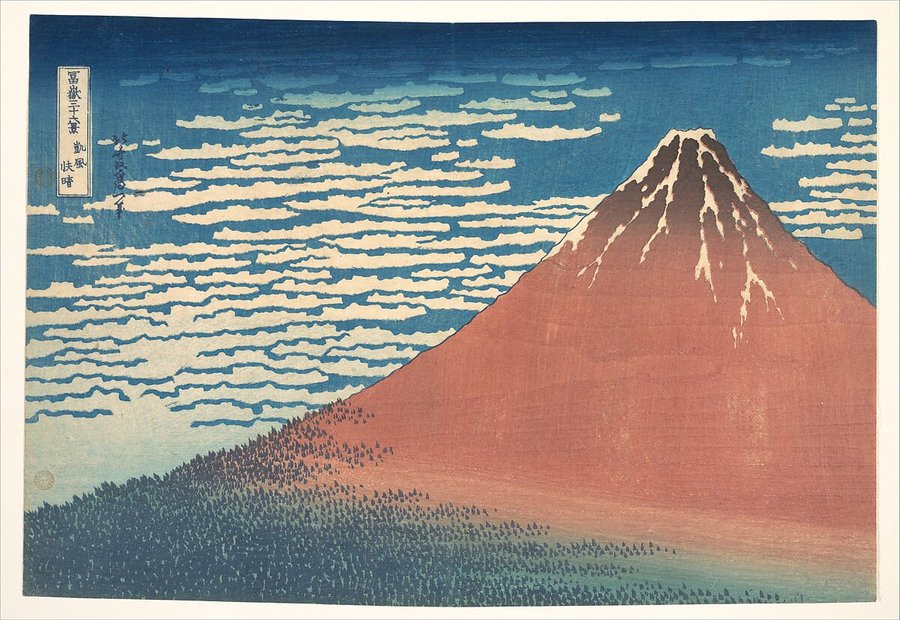
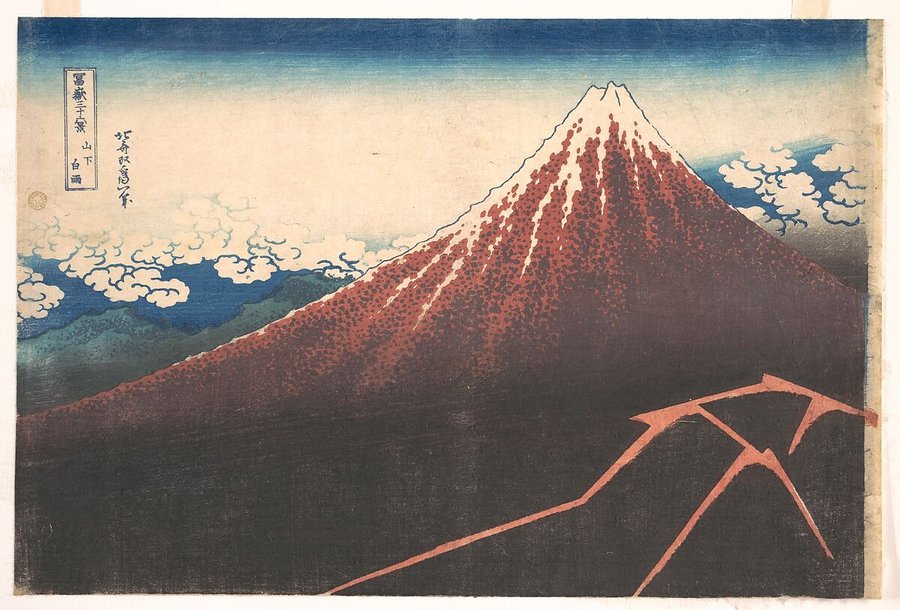
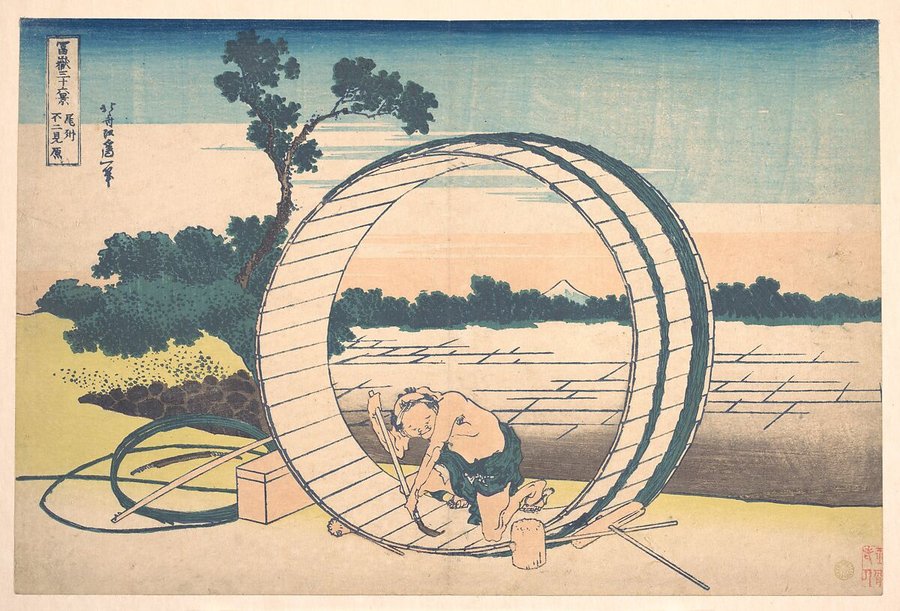
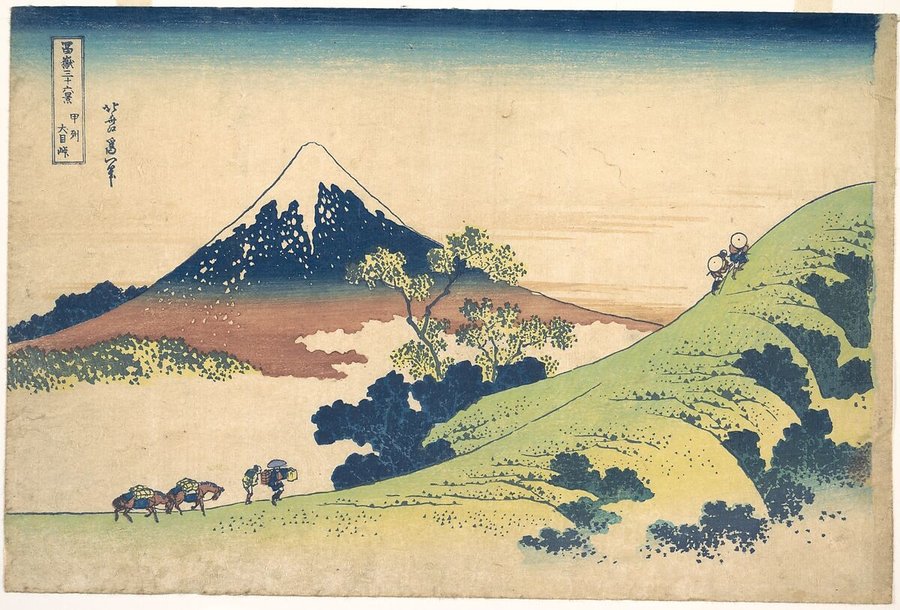
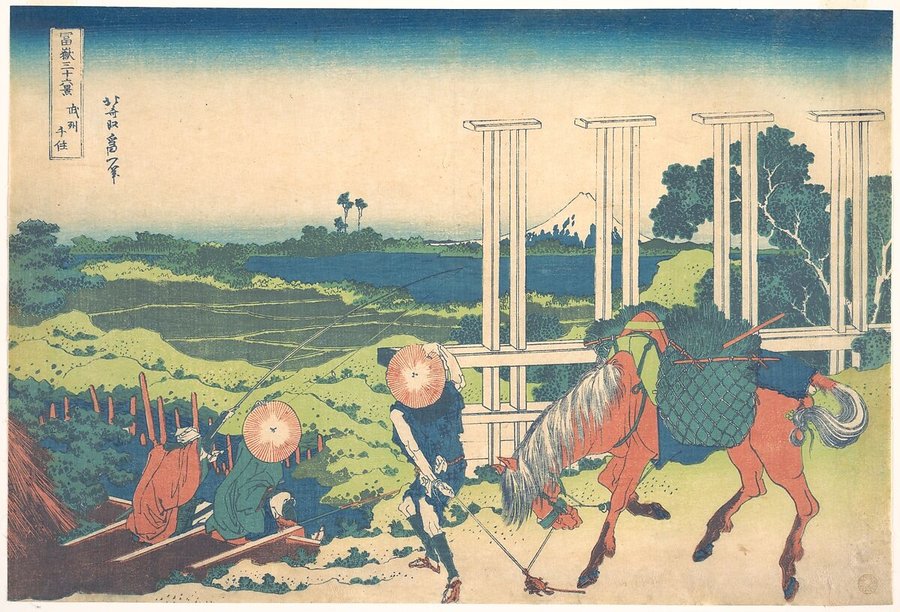
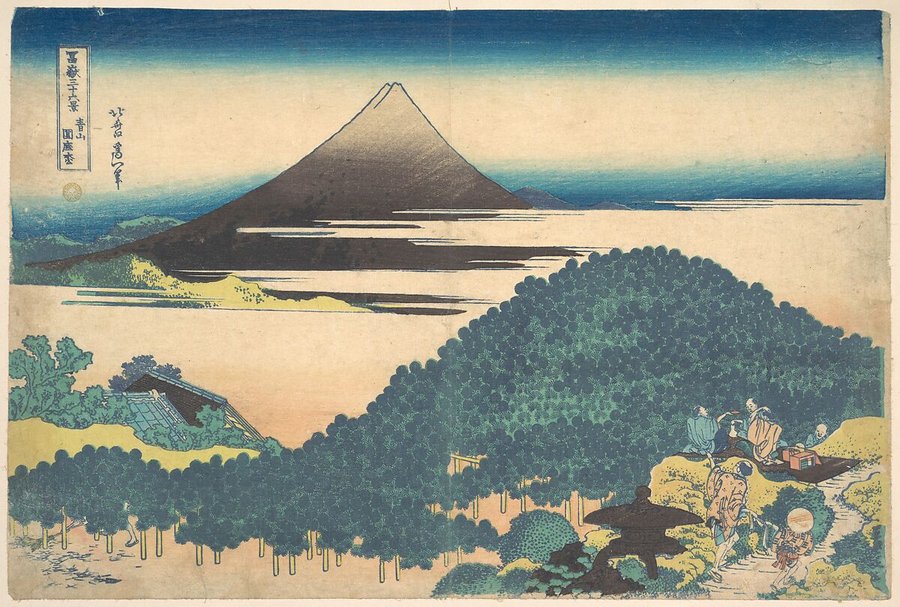
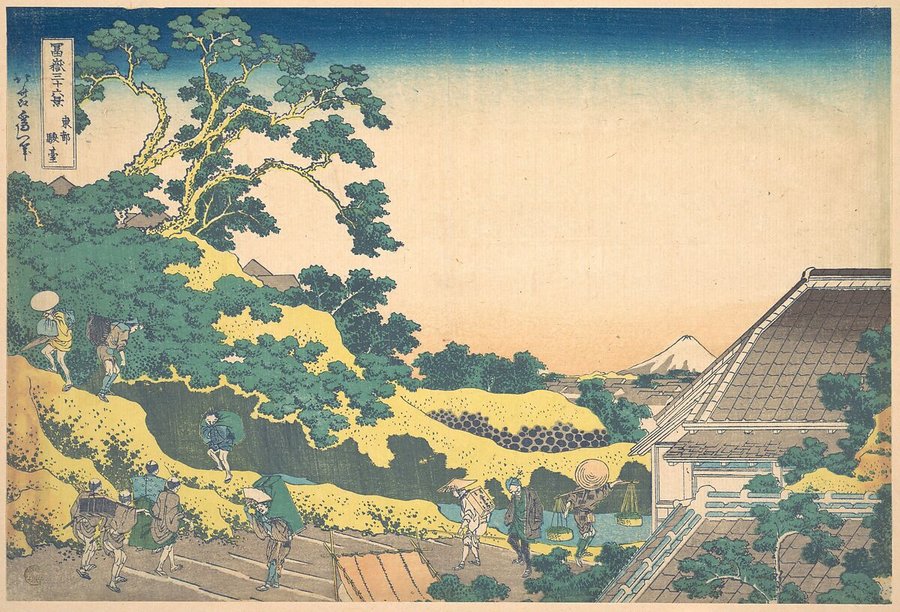
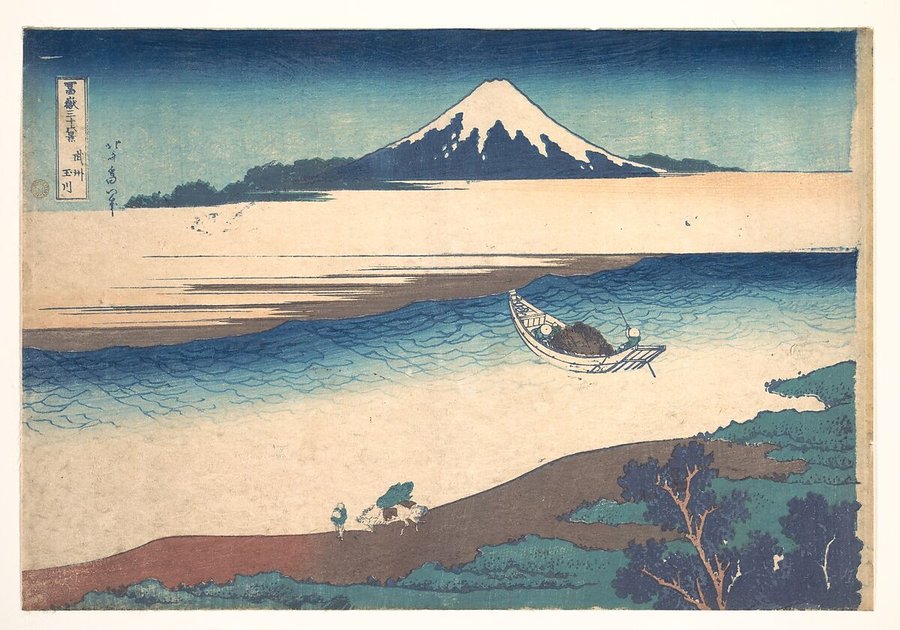
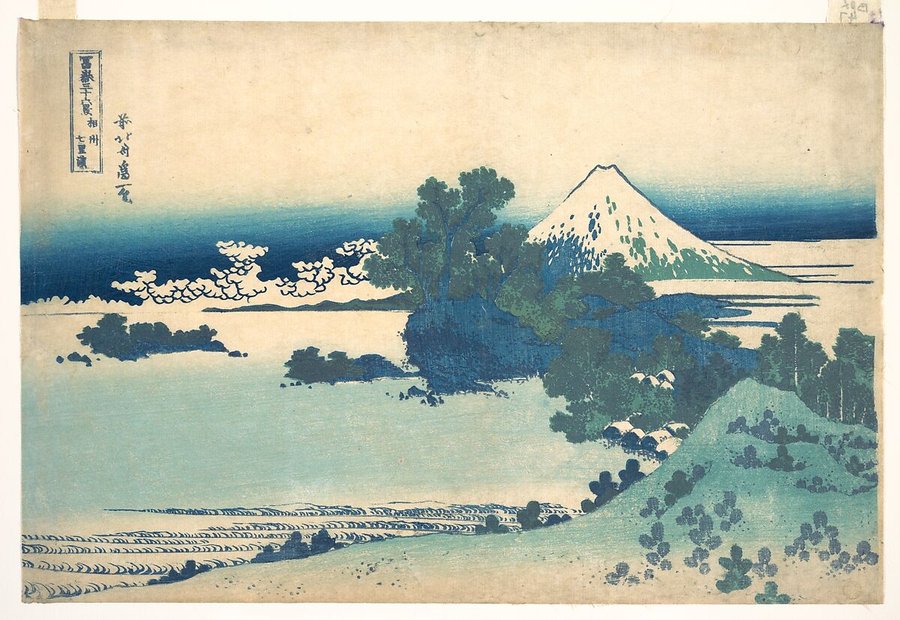
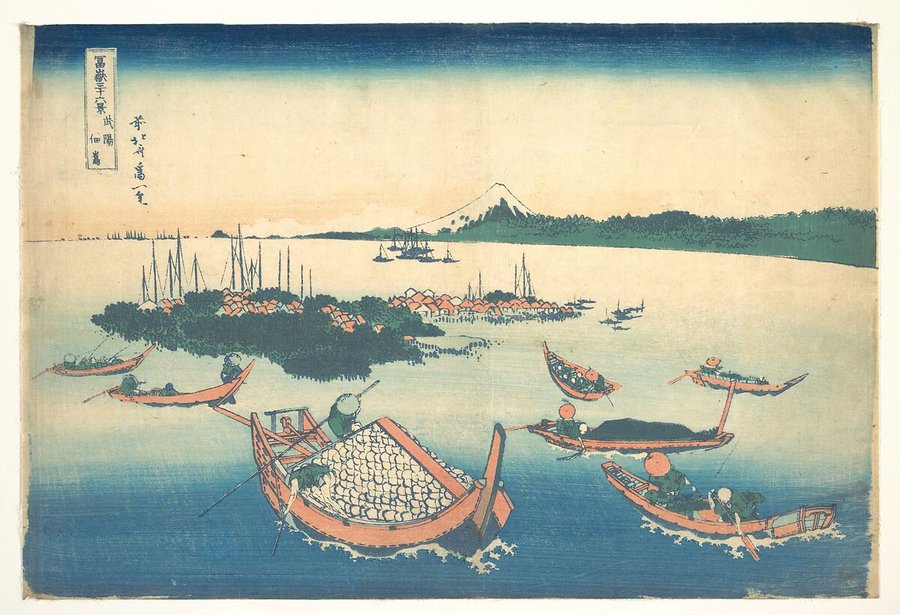
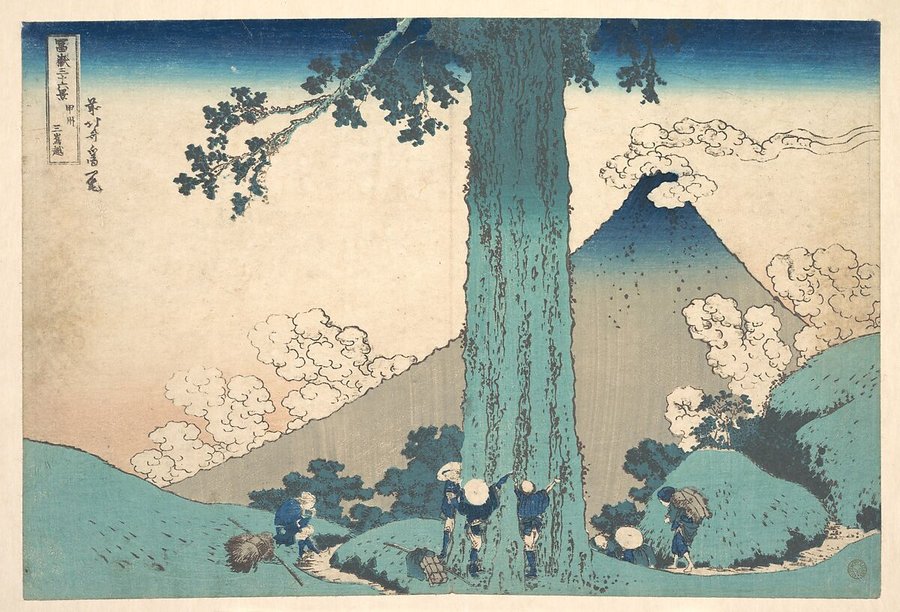
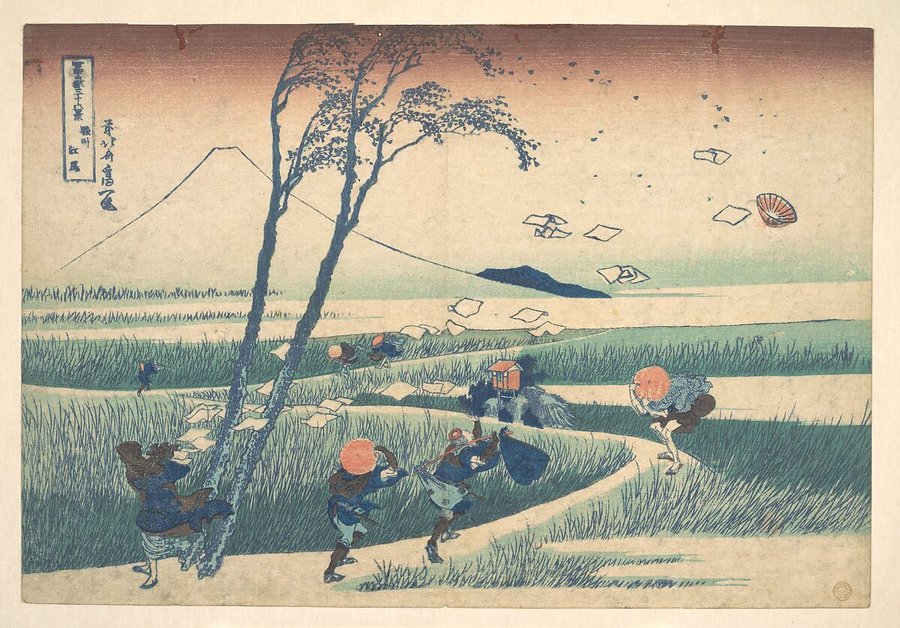
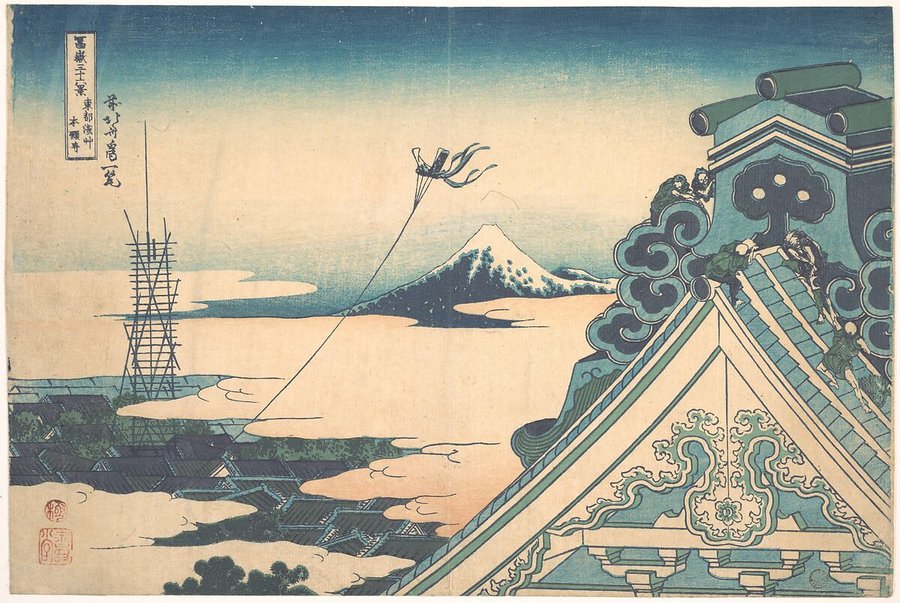
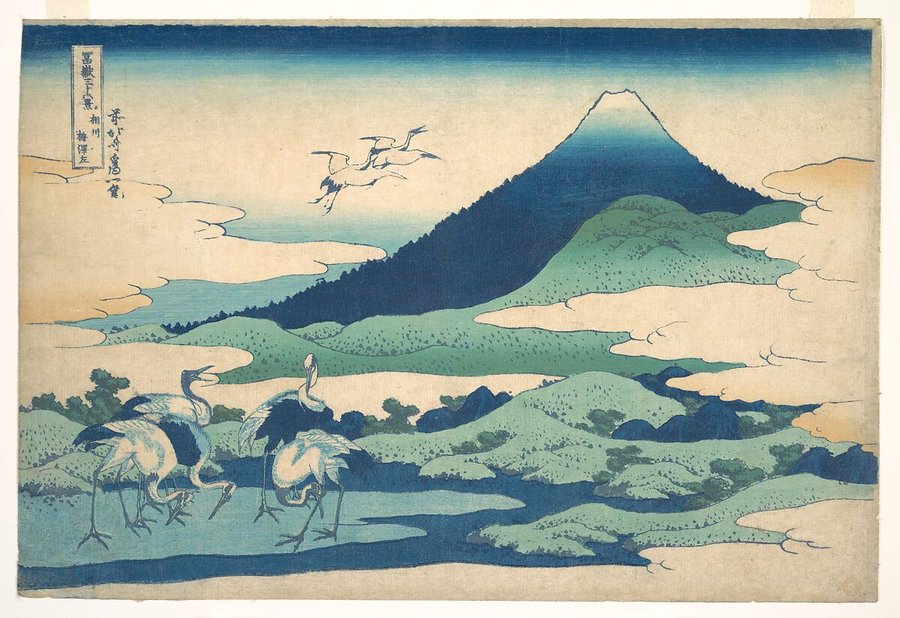
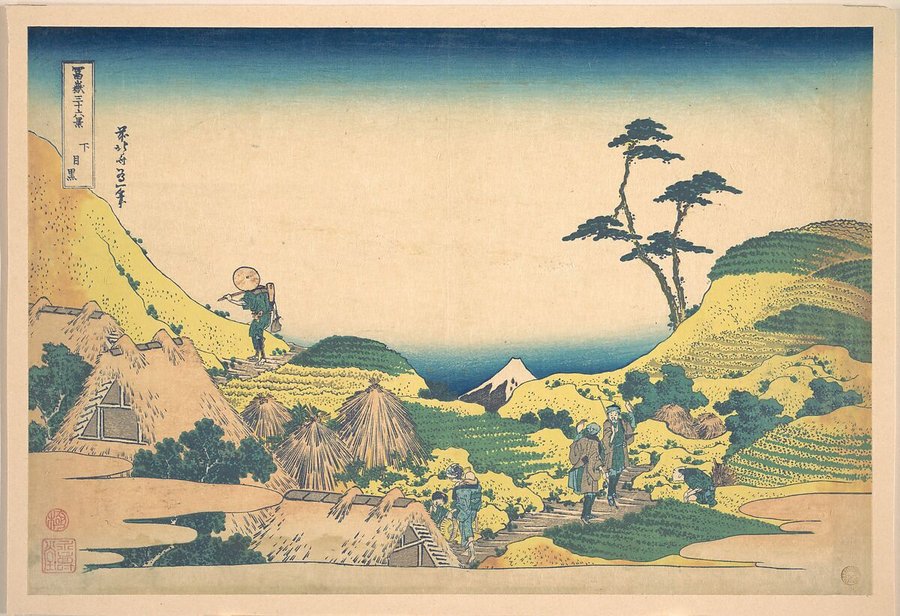
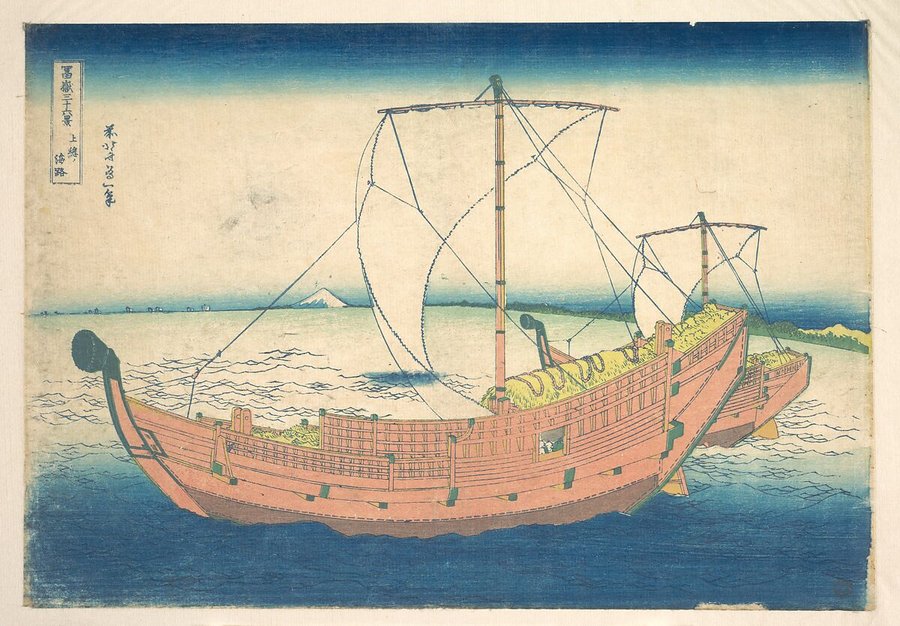
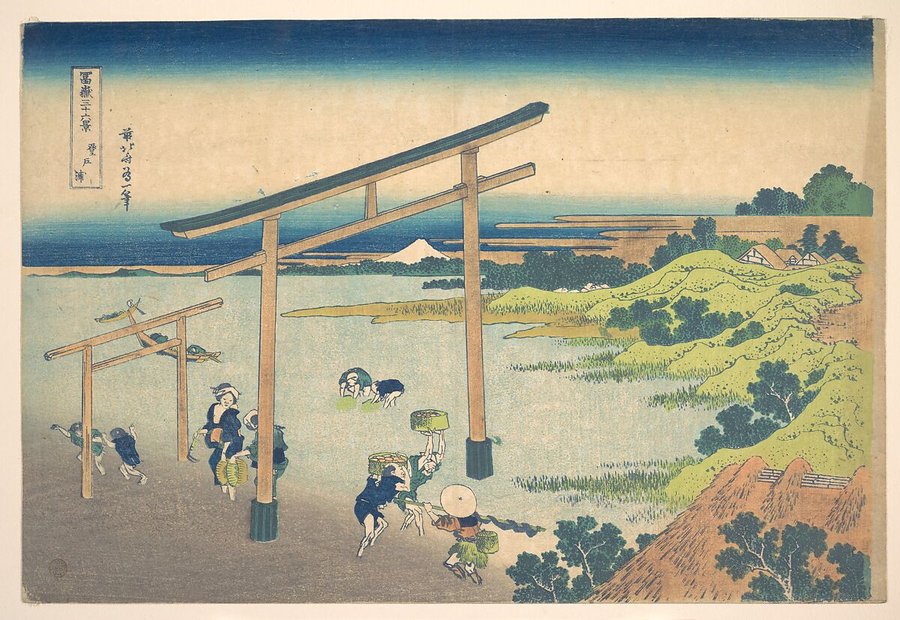
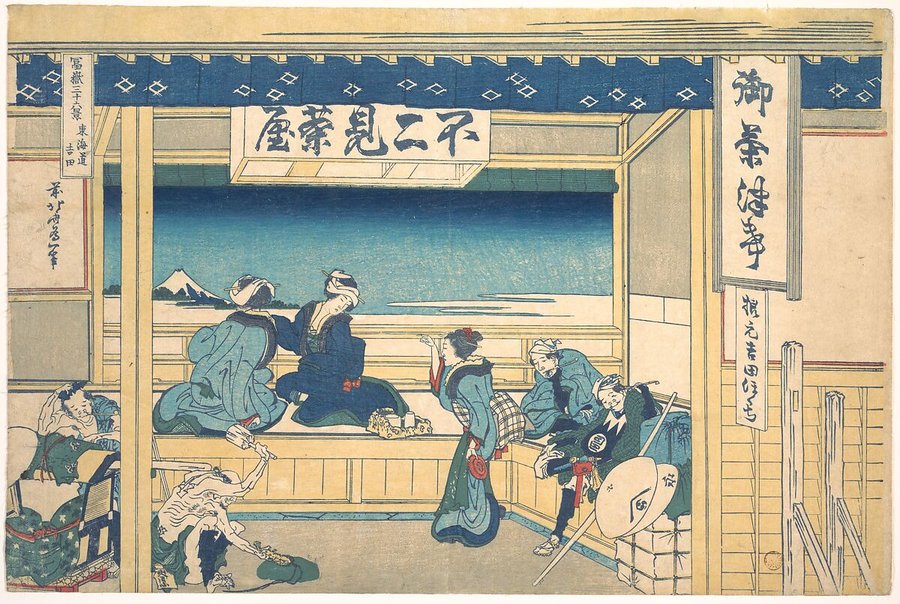
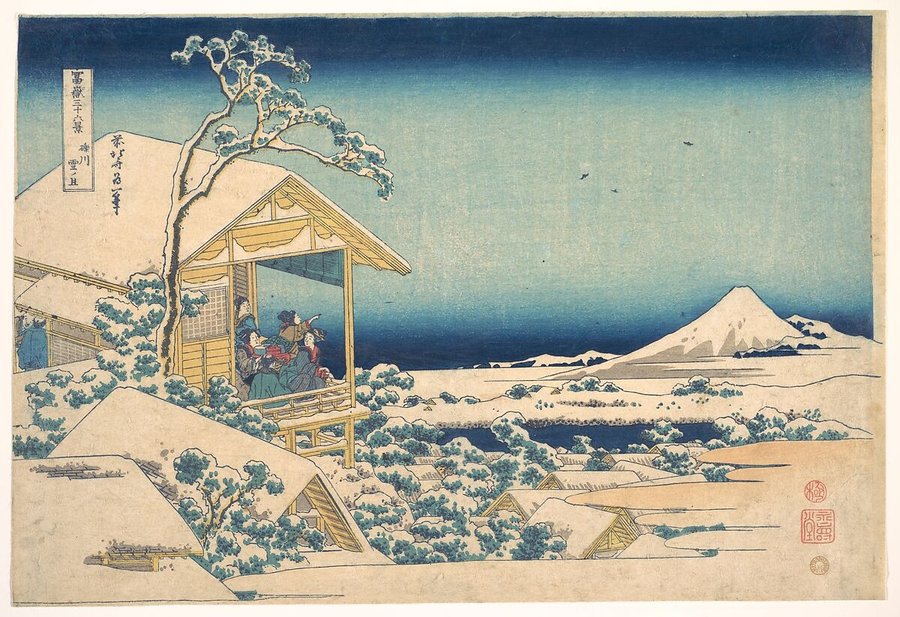
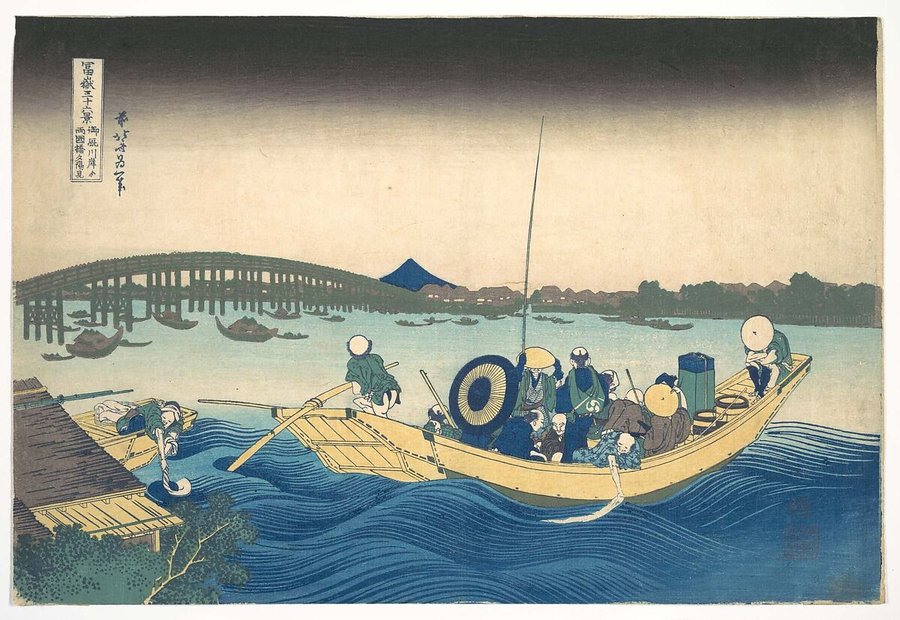
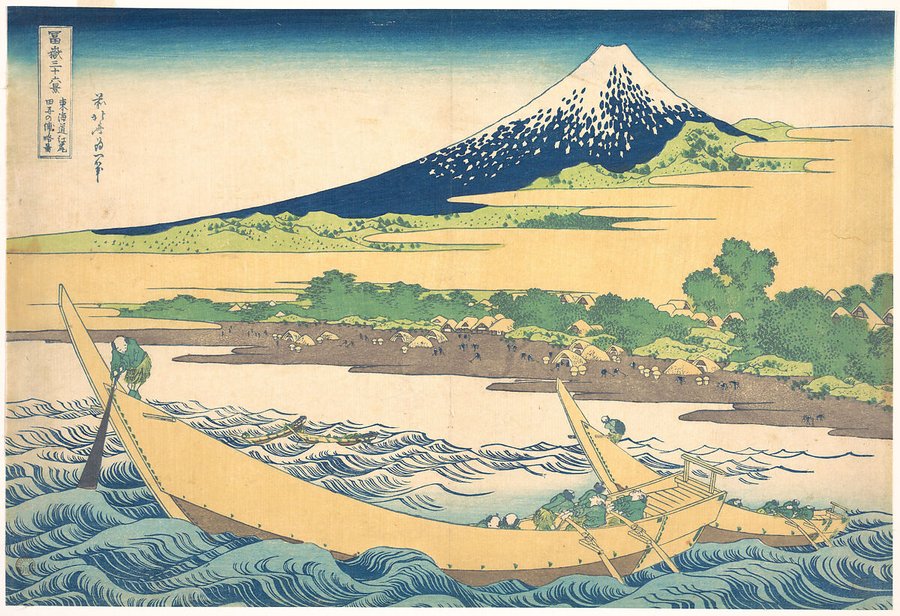
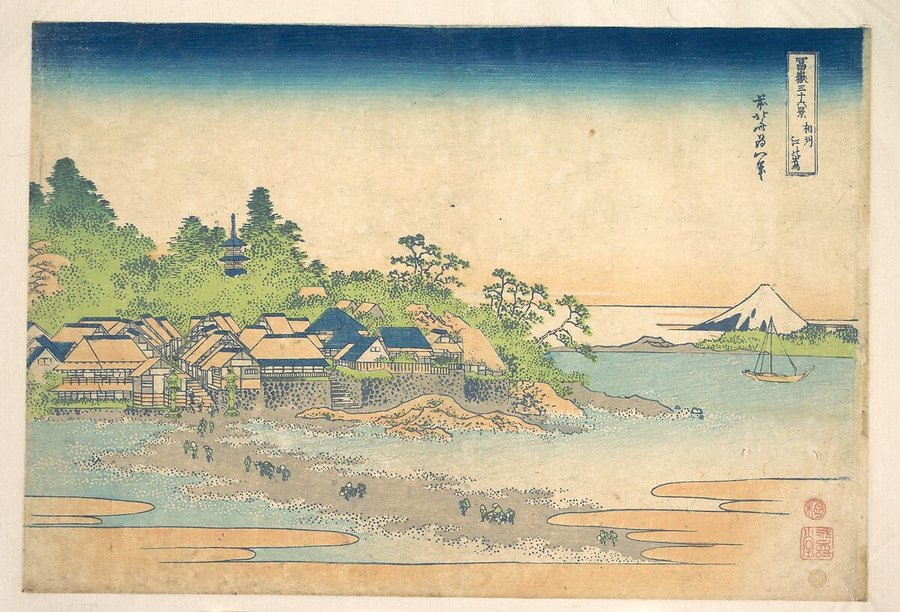
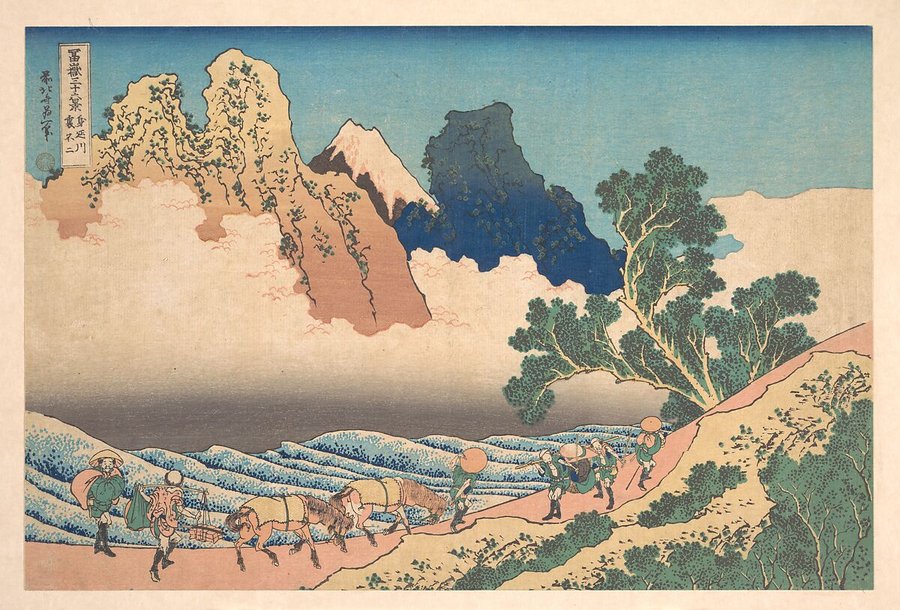
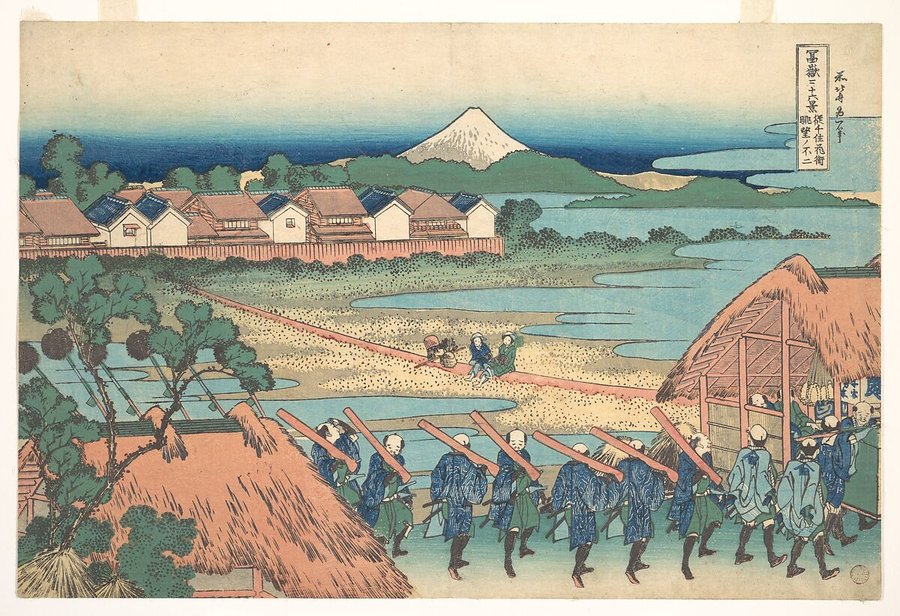
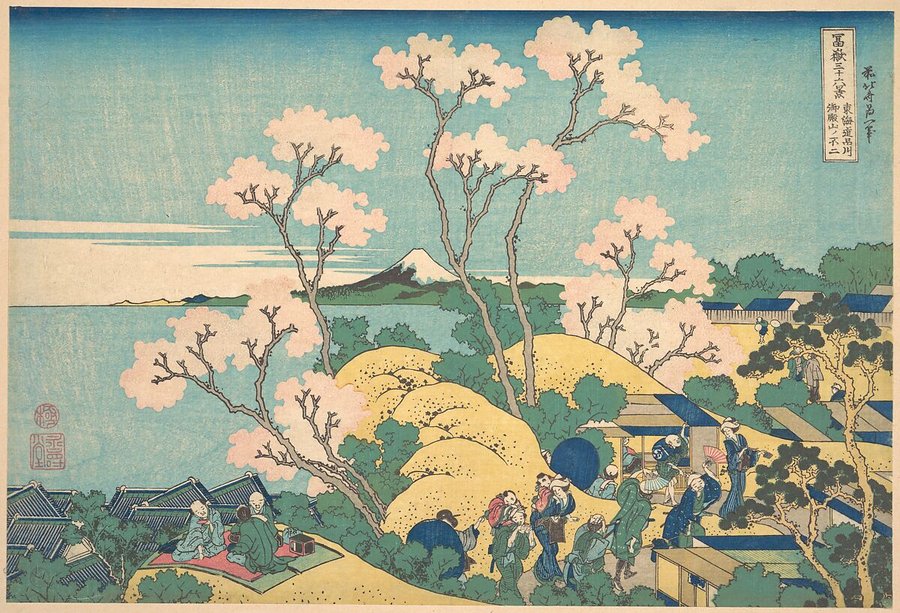
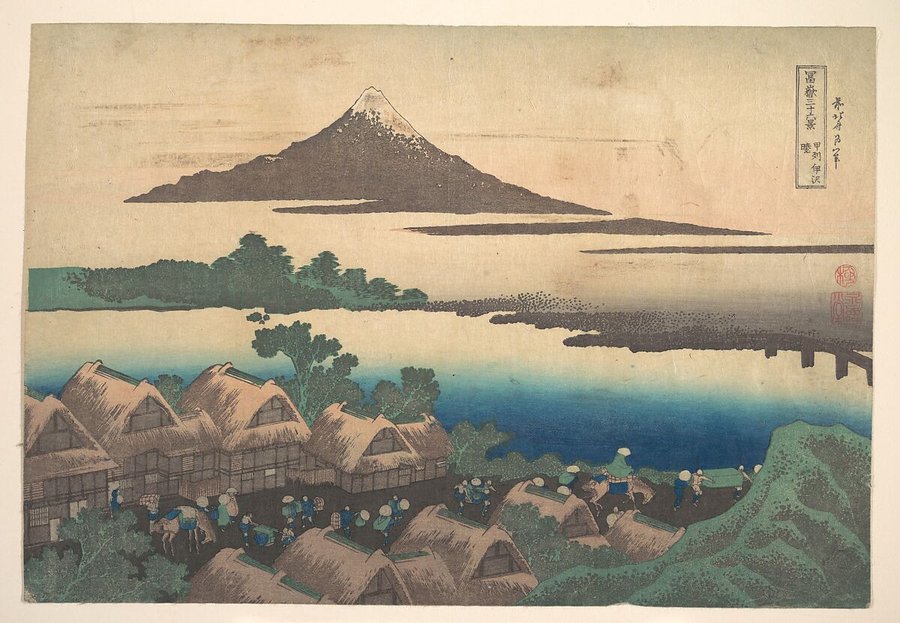
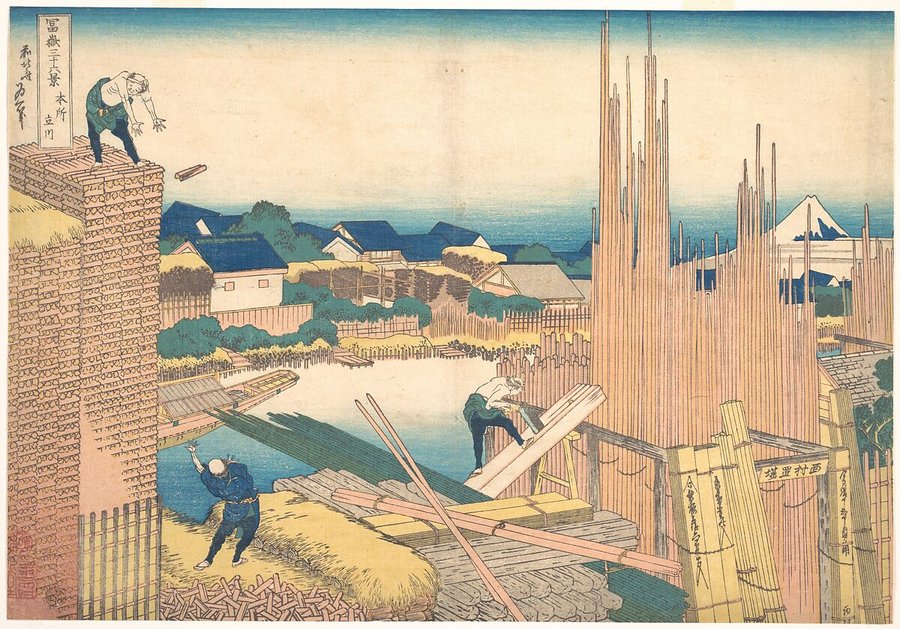
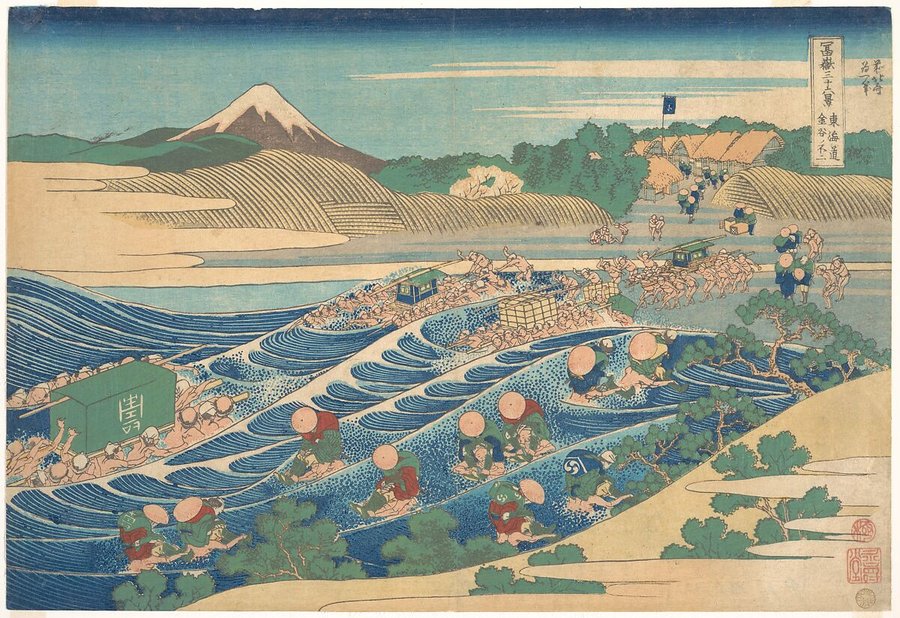
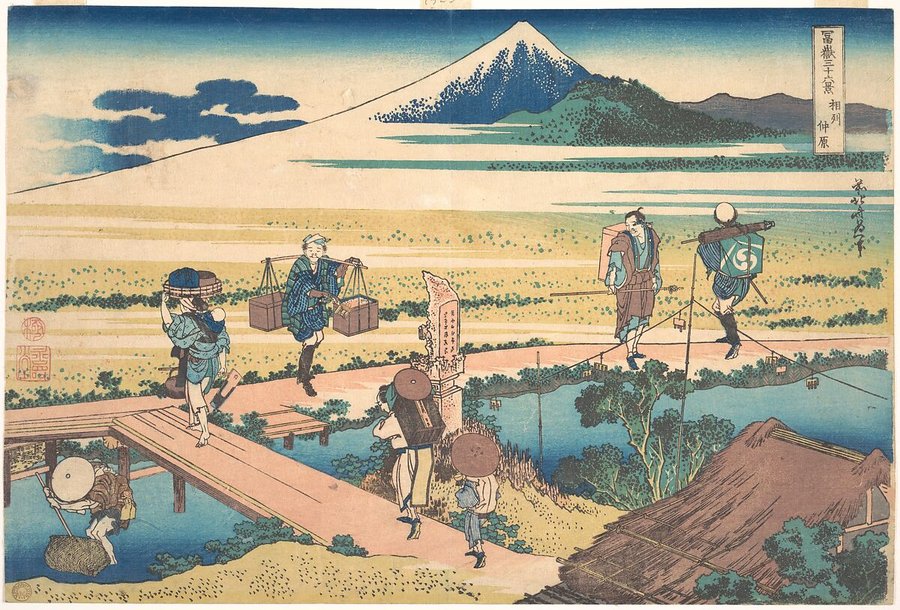
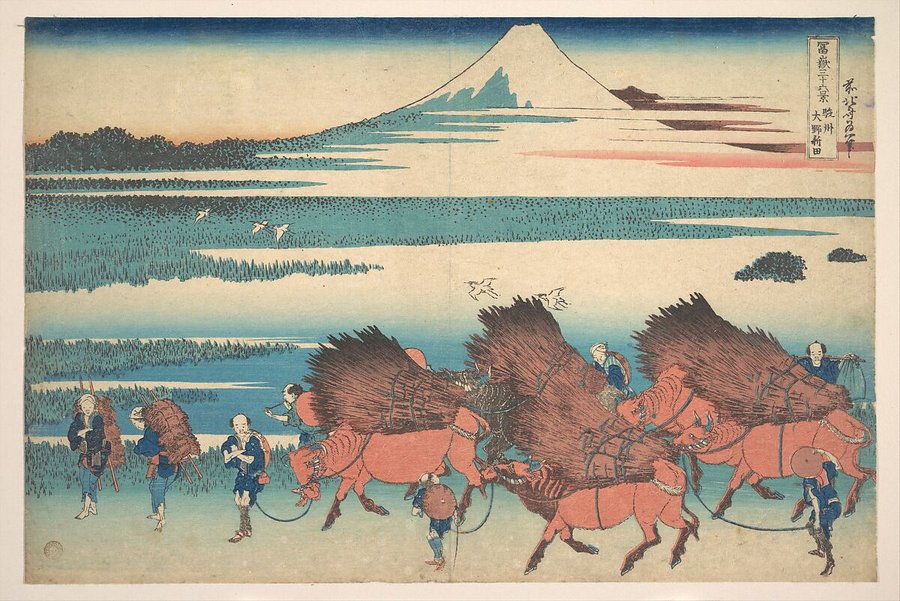
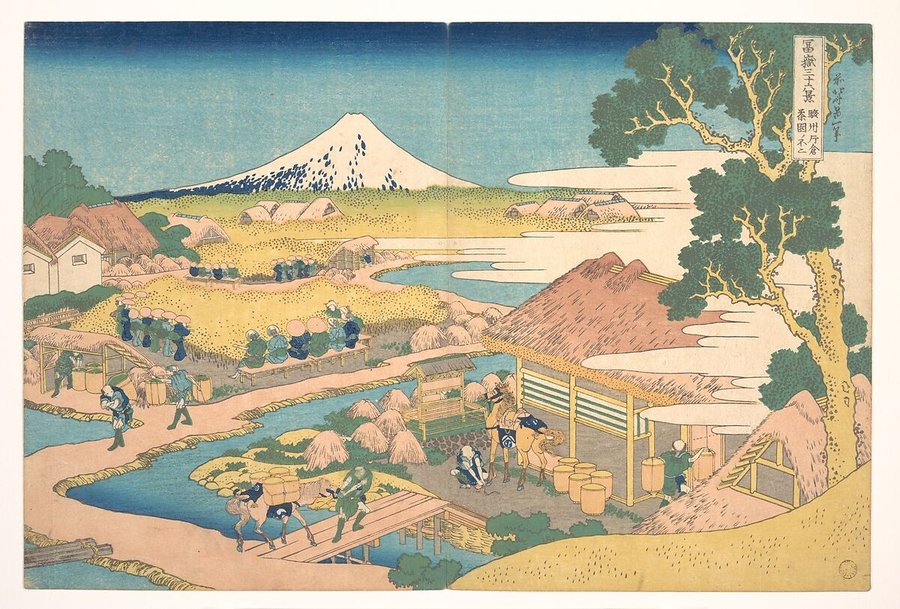
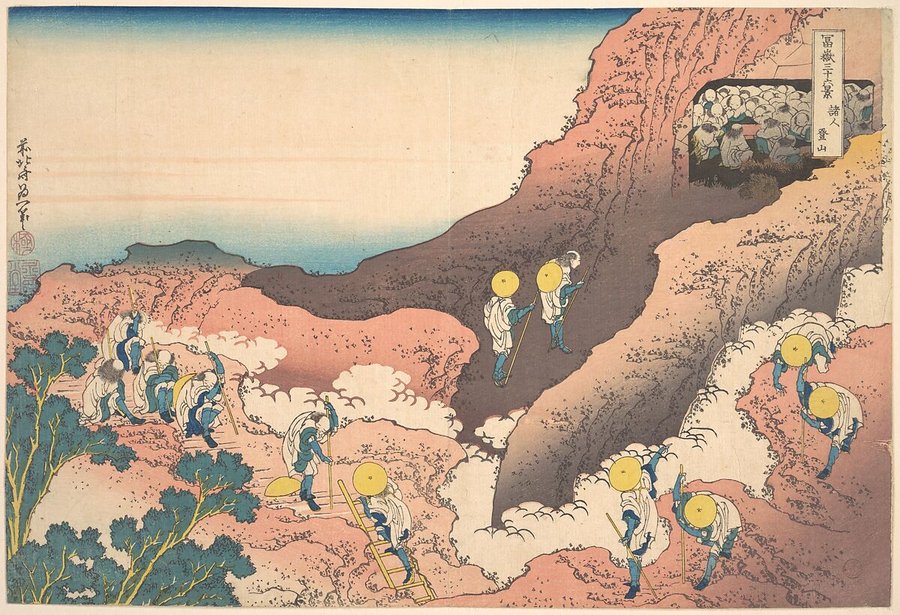
Katsushika Hokusai's "Thirty-six Views of Mount Fuji," the woodblock print series that includes the great wave and the red Fuji, says "thirty-six" in its title, yet it has 46 prints. This summary follows who planned it, in what order the prints came out, why ten more were added, and why it stopped at 46.
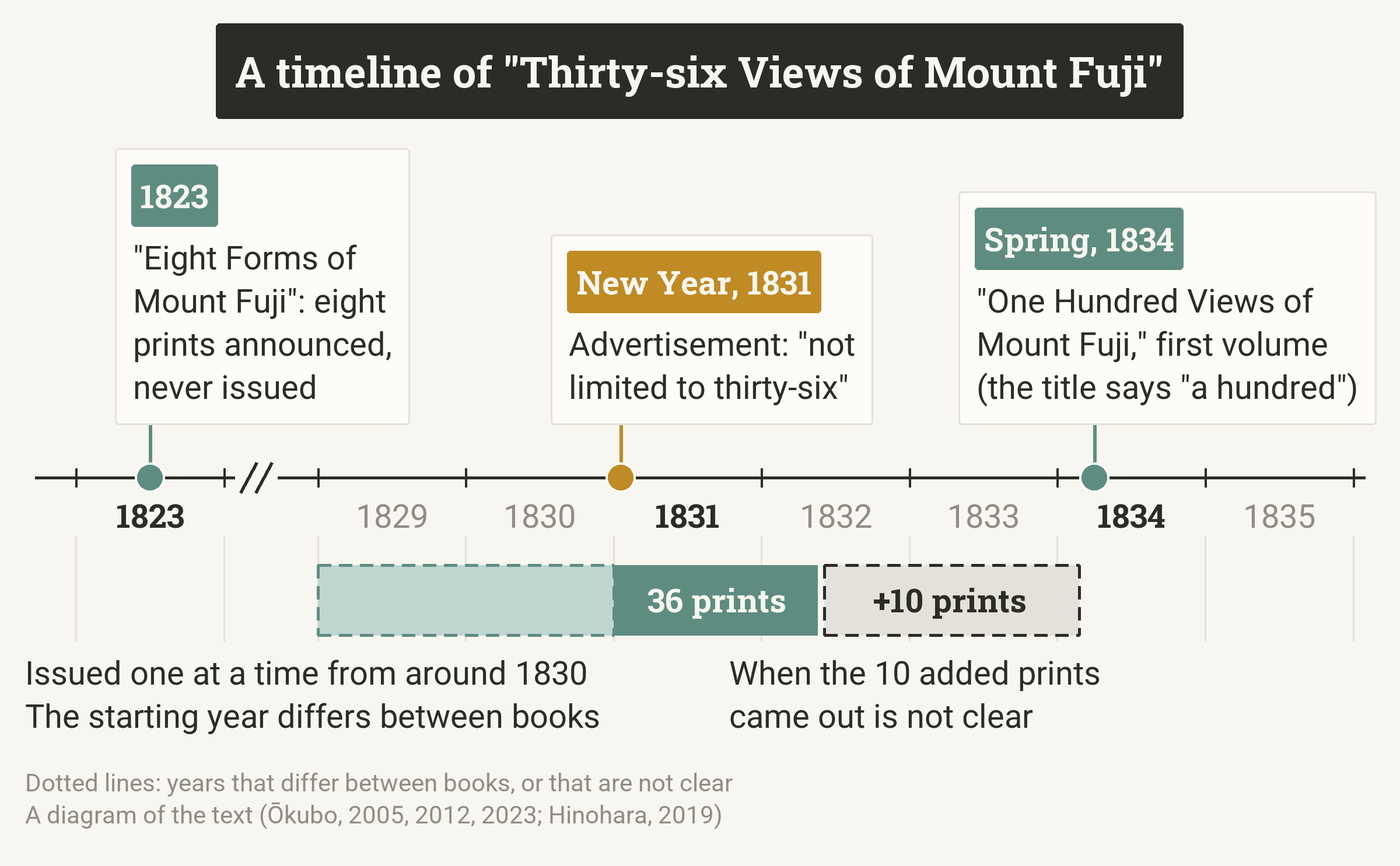
Who published it
The series was issued by Eijudō, a long-established publisher in Edo, and drawn by Hokusai, who was by then past 70 and already a famous master. Of all his series of large color prints, it has the most prints.
At first, it seems, eight prints were planned
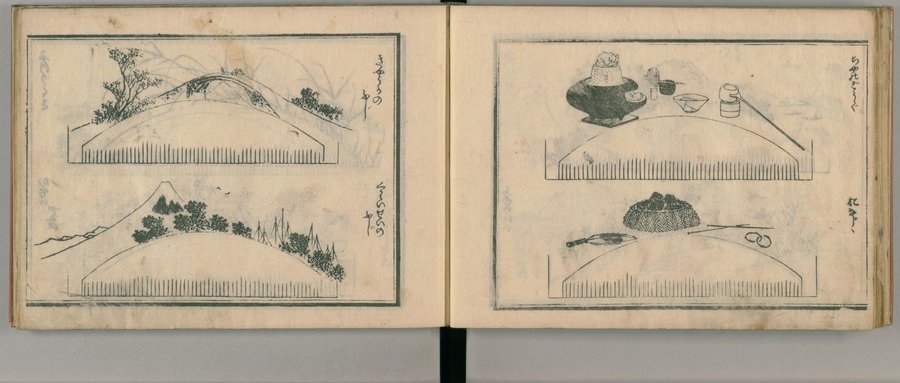
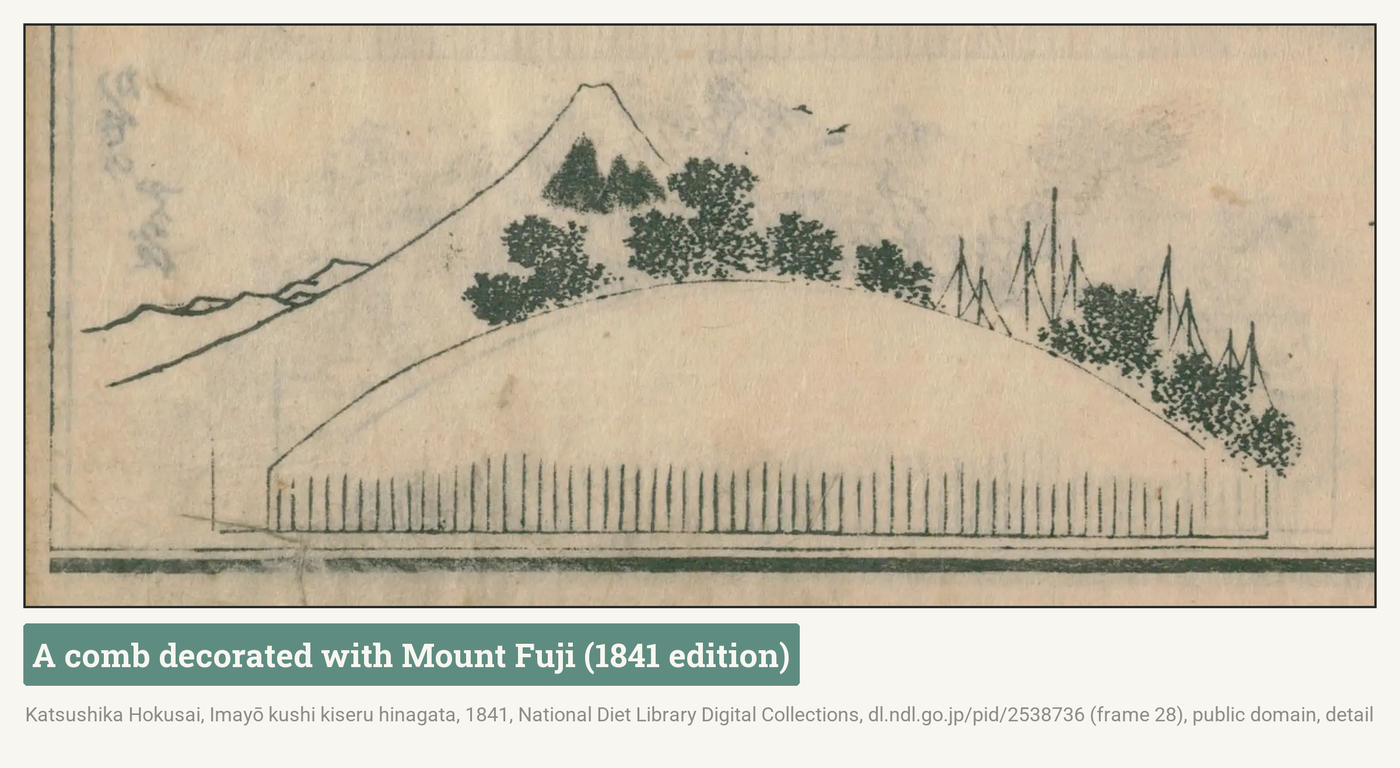
Years before, in a book of designs for combs, the same publisher announced "Eight Forms of Mount Fuji," which never came out. The combs in that book already show Fuji in many guises, and one scholar sees the later series as that plan come to life on a larger scale.
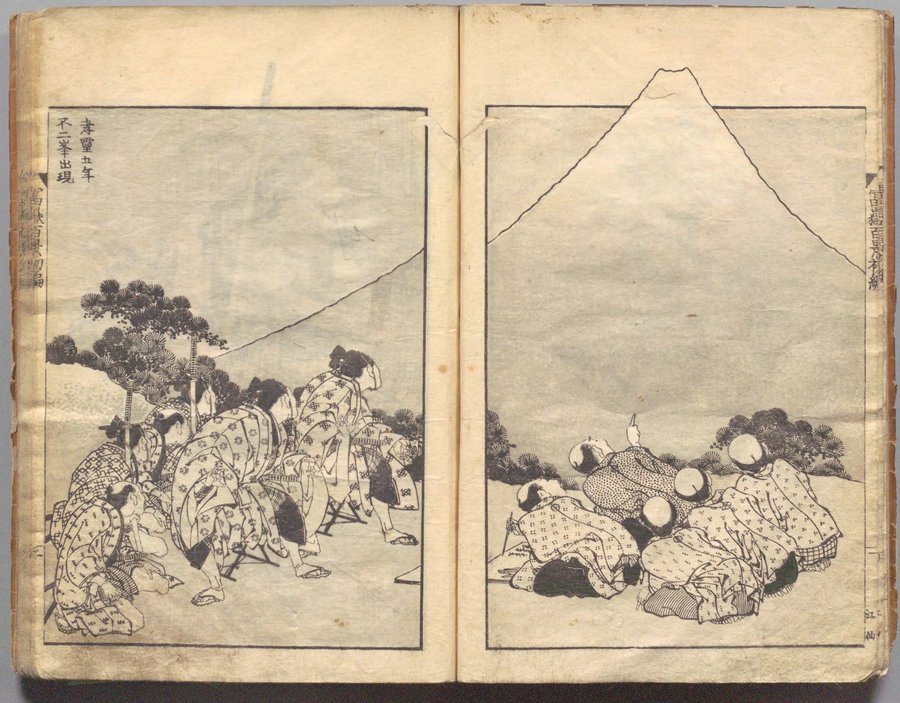
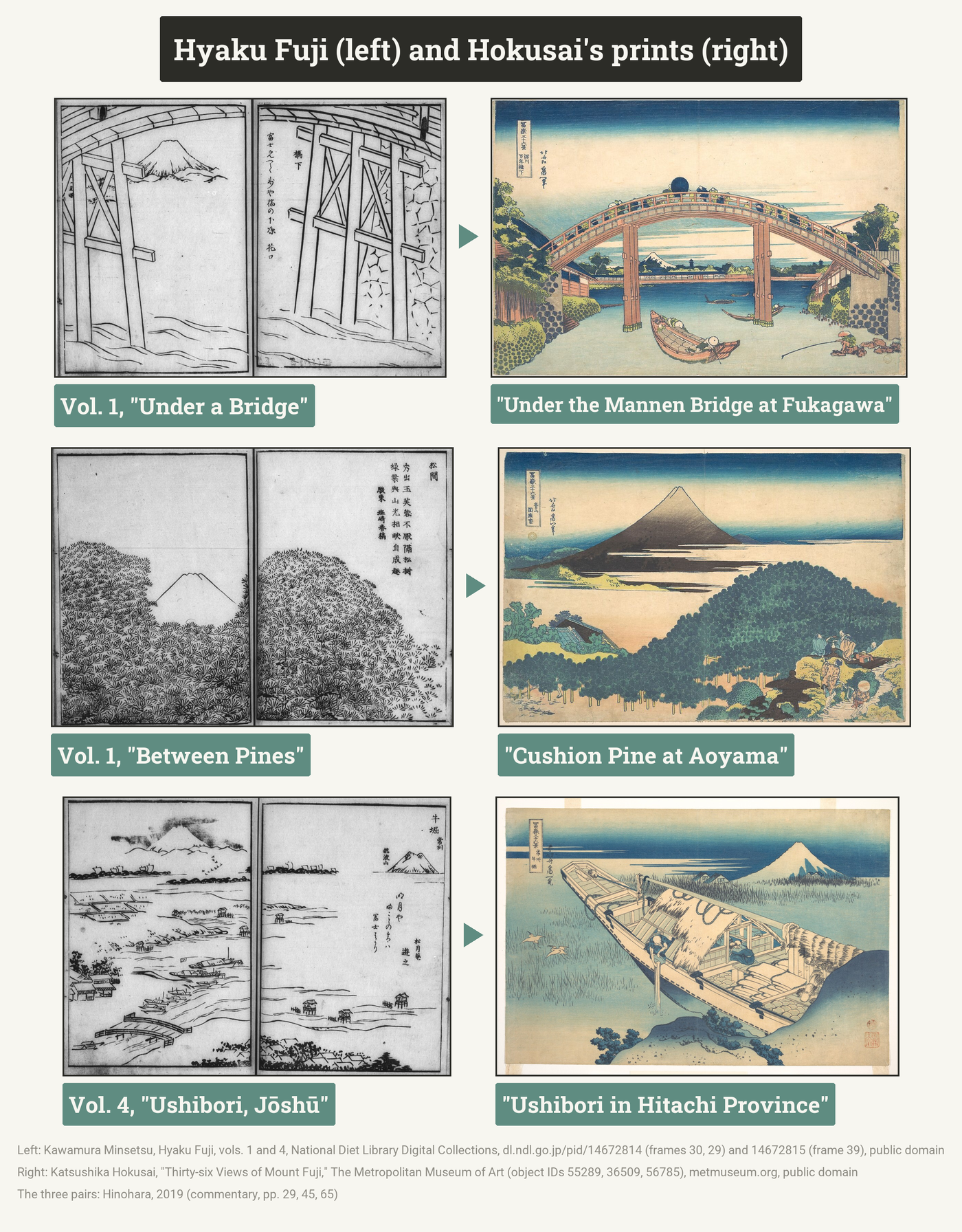
An illustrated book from 60 years earlier: Hyaku Fuji
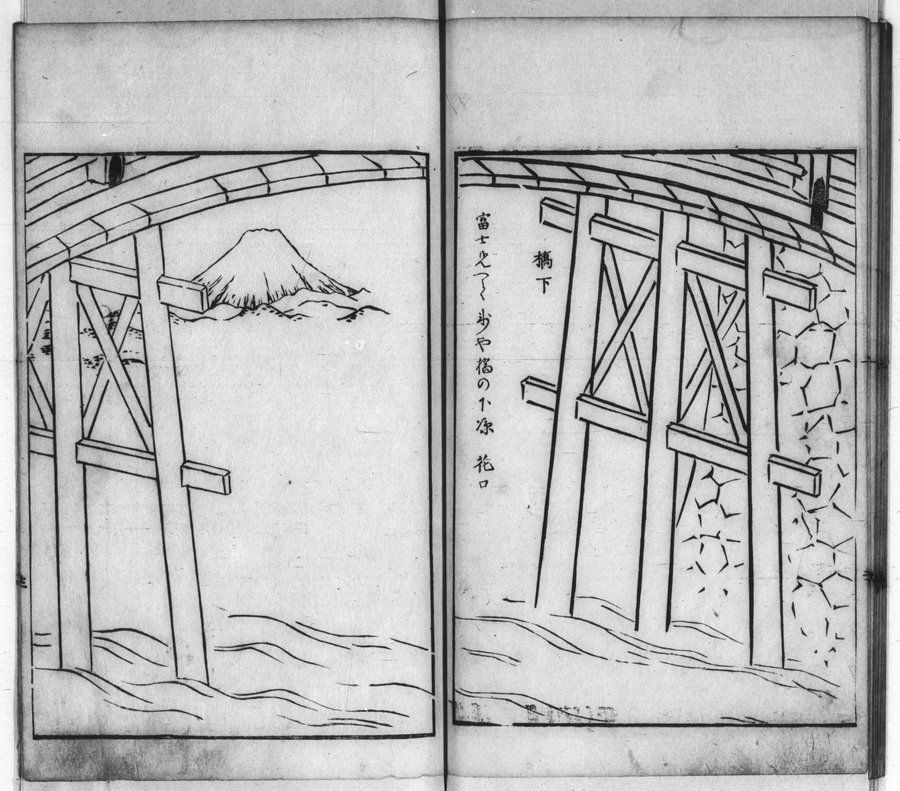
Hokusai had a model in Hyaku Fuji, "A Hundred Fujis," an illustrated book from some 60 years earlier. Not only its compositions but also its division by place line up with the series, which explains why little-known spots appear in it.
The advertisement of 1831: "Not Limited to Thirty-six"
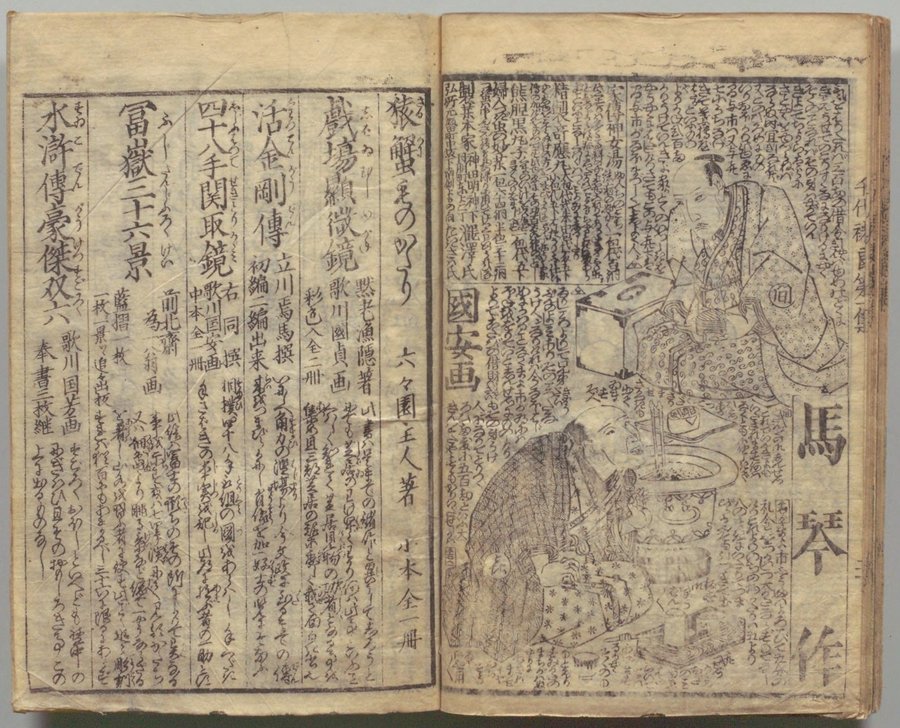
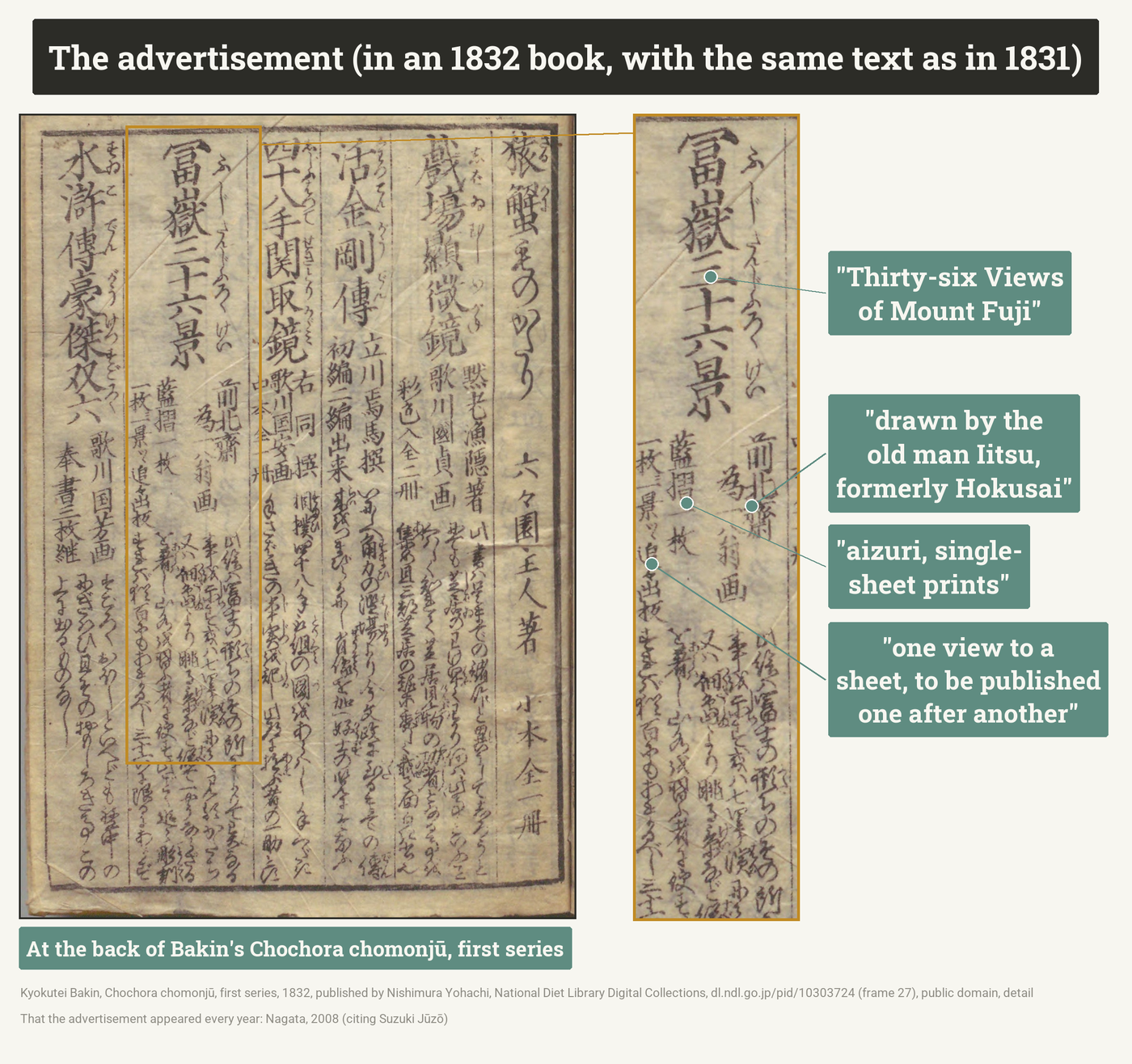
An advertisement at the New Year of 1831 announced the series as single-sheet prints in blue, useful as models for painting landscapes, and said that if carving went on, the prints would go past a hundred: "not limited to thirty-six." The blue was the man-made pigment from Berlin.
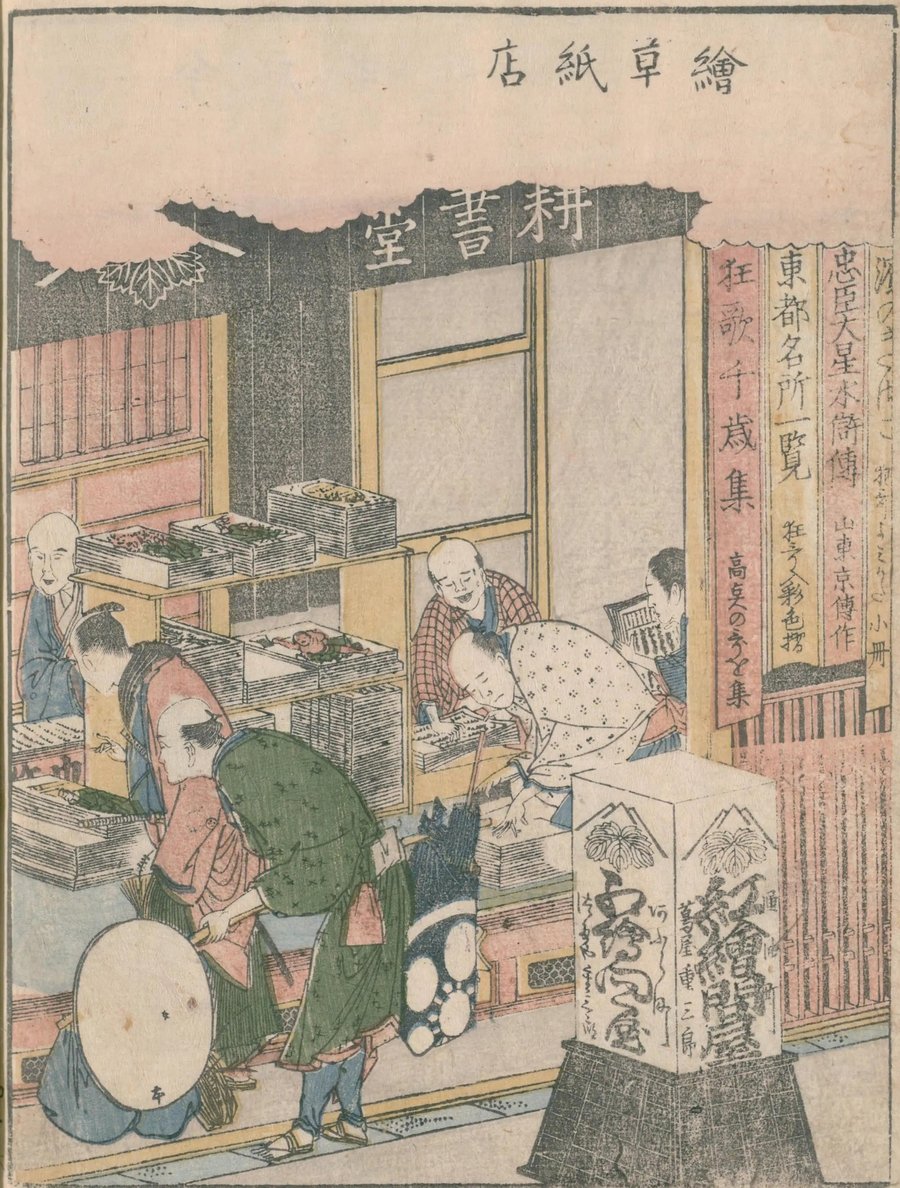
Prints of famous places were not strong sellers
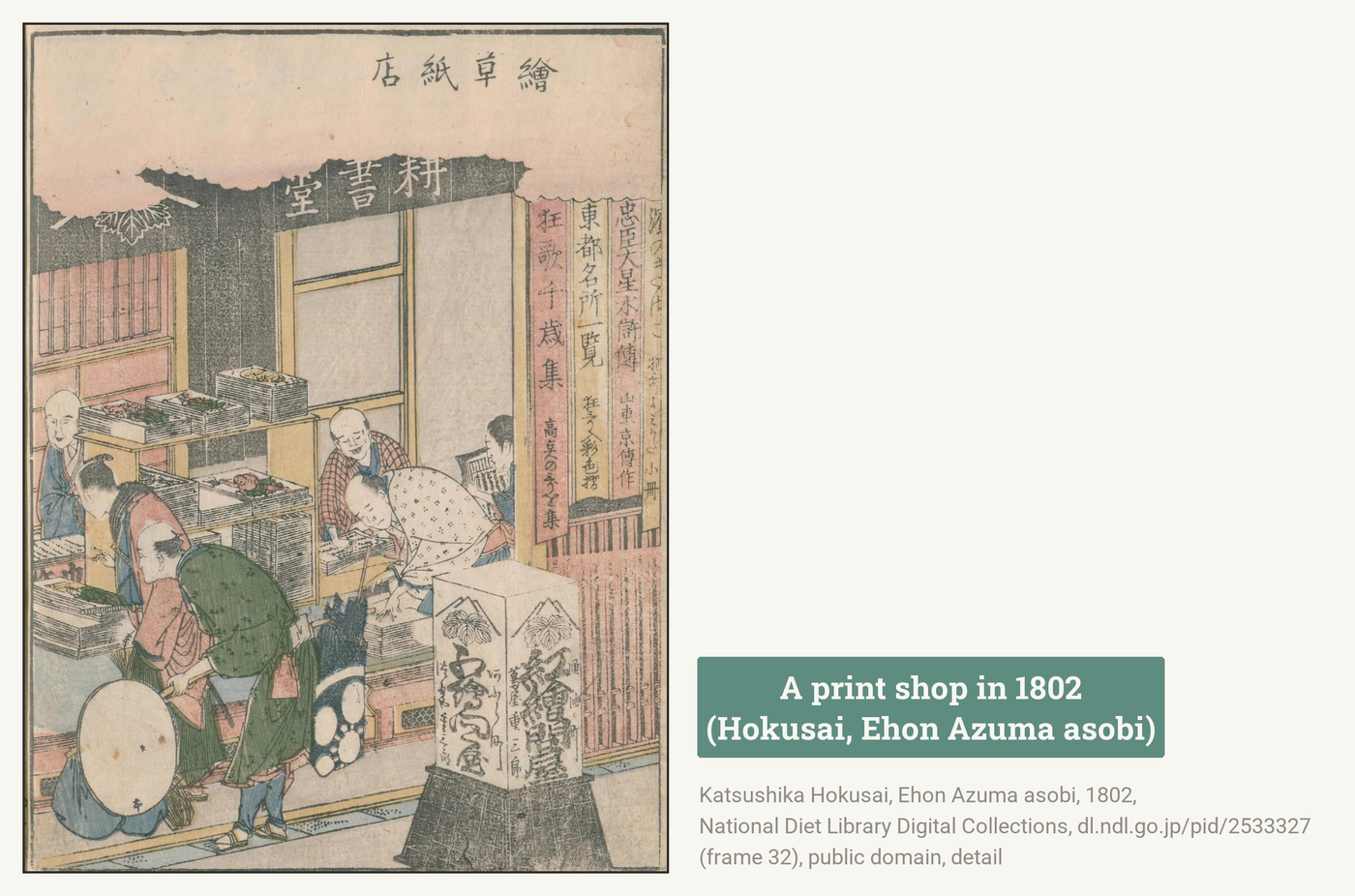
In Edo, prints of famous places were a minor field next to actor prints and pictures of beautiful women, yet this series became a great hit and showed that such prints could sell. A rising interest in travel had prepared the ground, and only the pairing of a master and an established publisher could risk a set of 36.
Five groups by signature, and no settled order
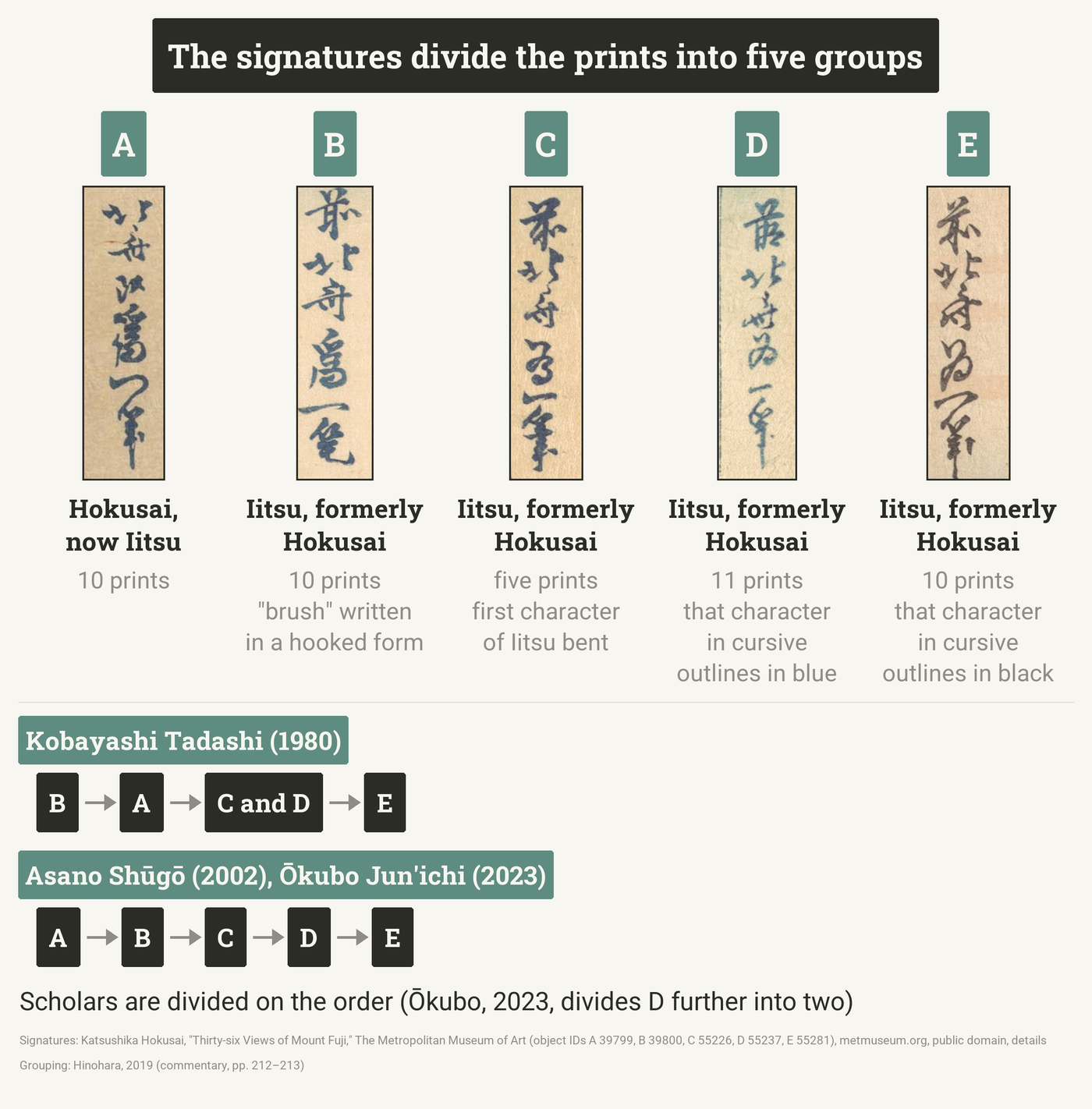
By the form of Hokusai's signature, the 46 prints fall into five groups, but scholars disagree on which group came first. One of them calls the question a maze that may never be fully solved.
Prints without seals, and the album hypothesis
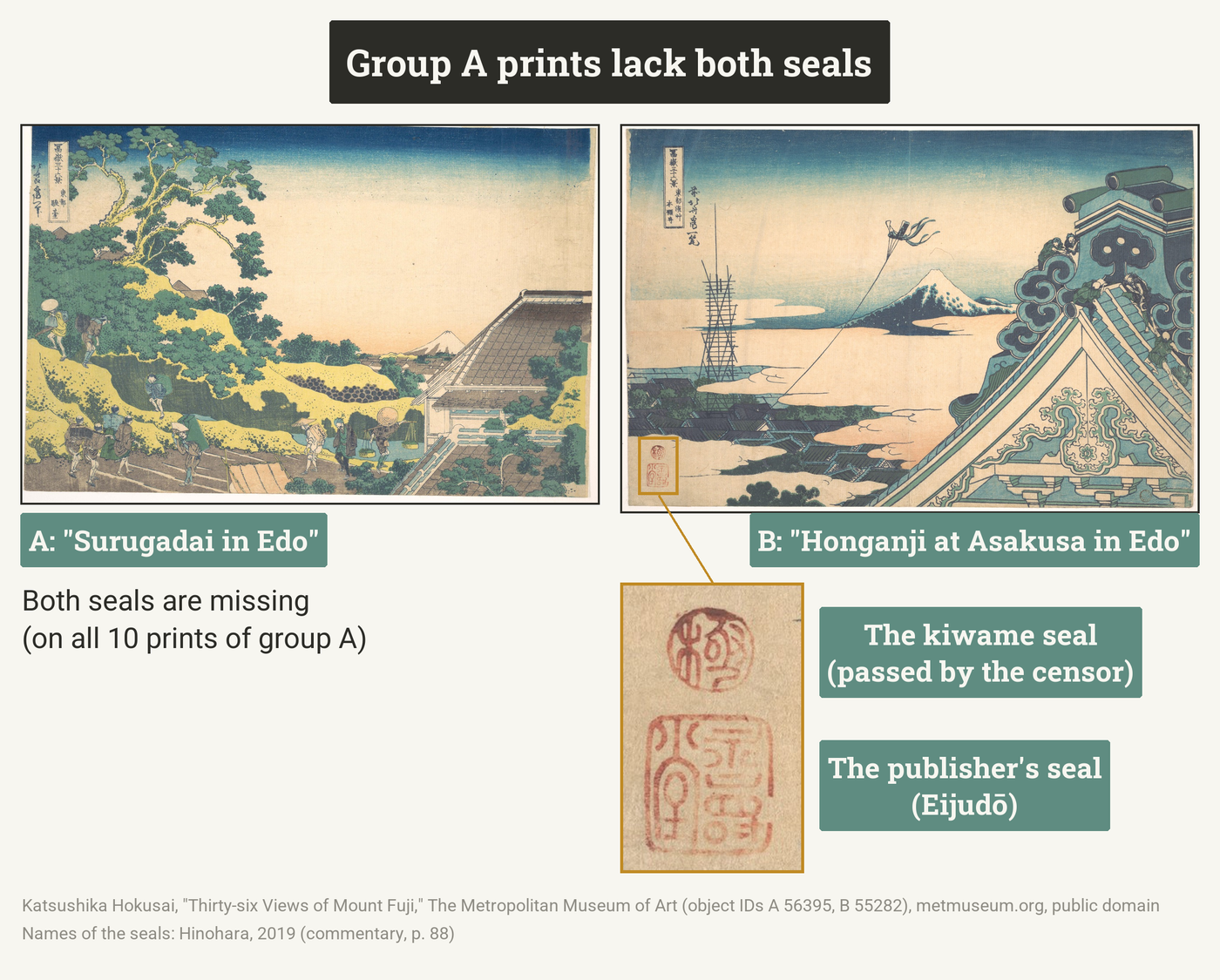
About half the prints, the great wave among them, lack the censor's and publisher's seals that prints of the time ordinarily carried. One scholar suggests that some were meant to be sold bound together as an album, though he himself calls this a bold hypothesis.
The 10 prints after the 36
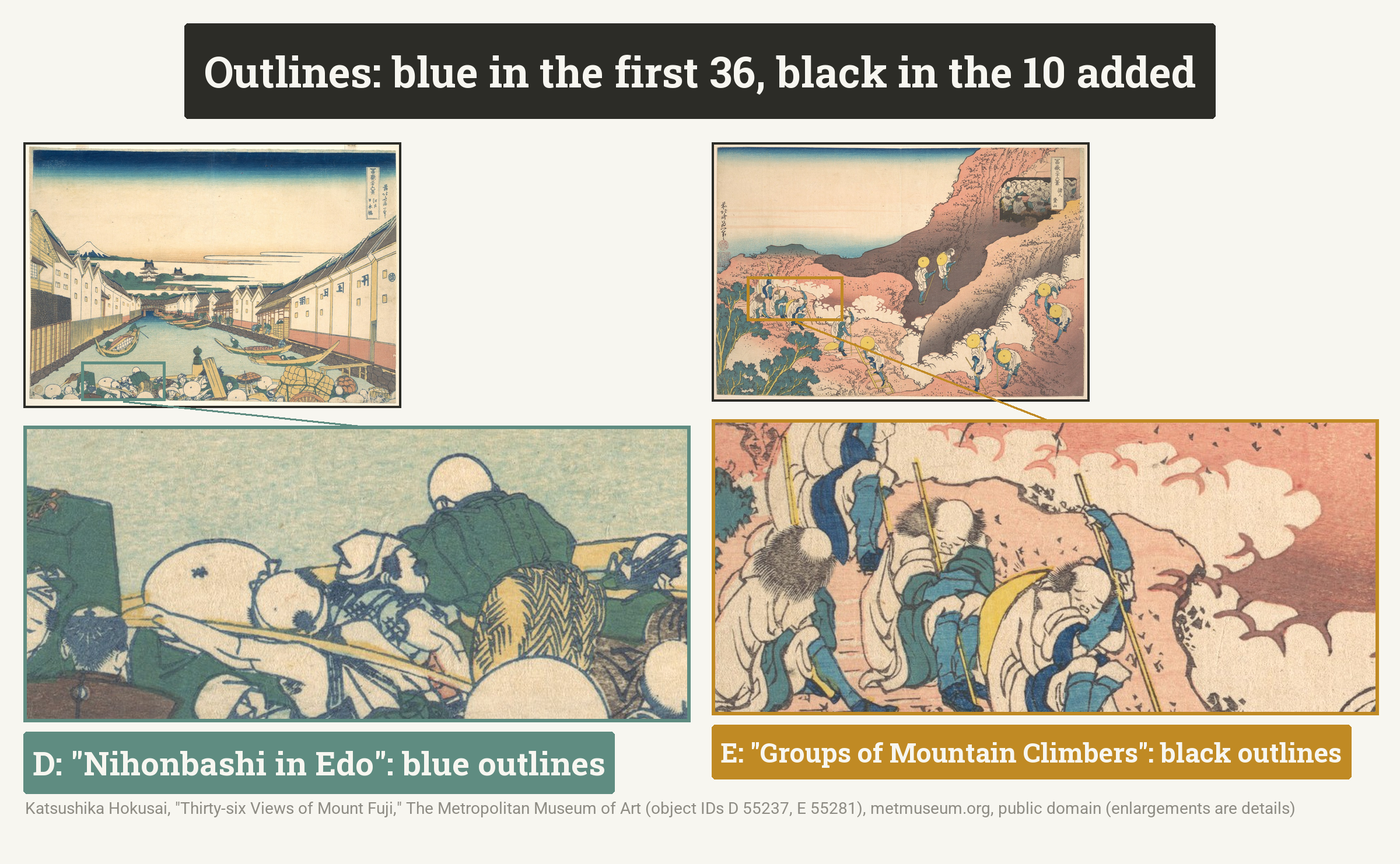
Ten more prints, with black outlines instead of blue, were added because the series sold well. Why it stopped at 46 is not clear: the publisher was short of money at the time, but no one knows whether that was the reason, or whether 46 is a finished set or one left unfinished.
It sold for a long time
Unlike actor prints, which sold only while a play was on stage, the series was printed again and again over many years, and no comparable series on Fuji came out for some twenty years.
What came after
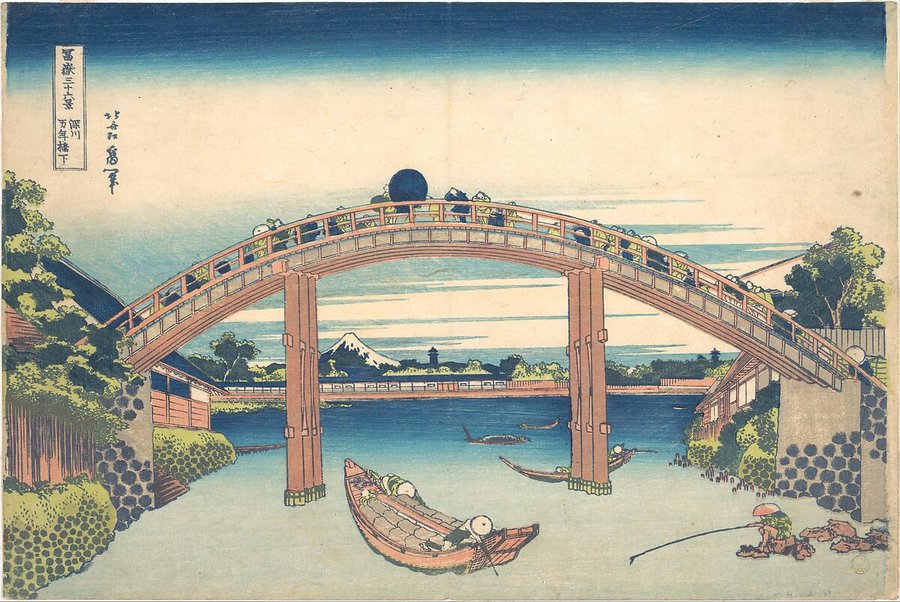
Hokusai went on to series built around a single subject, such as waterfalls and bridges, and other artists and publishers, Hiroshige among them, followed him into prints of famous places.
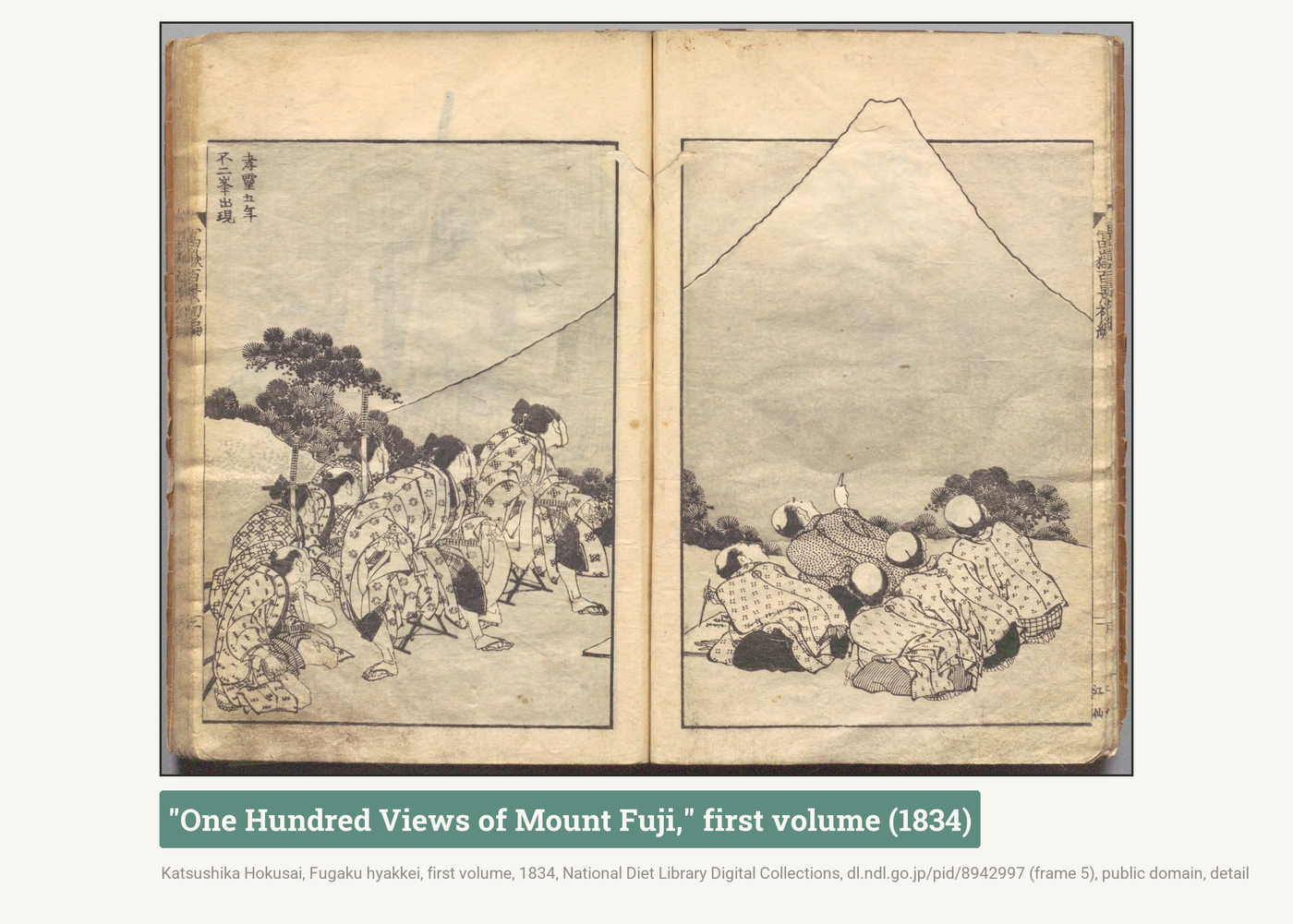
The advertisement had promised more than a hundred prints; the series ended at 46, and in 1834 Hokusai brought out "One Hundred Views of Mount Fuji," a book printed without color. Learning that even prints as famous as these started out in a genre that wasn't very popular made me feel that you never know until you try.
How I researched this
Three scholars have written in detail about how the series came to be, and I set their books and papers side by side; even one author's view shifts from book to book. Where they disagree, as on the order of the prints, the album idea, and whether to call the series landscape painting at all, I have leaned to neither side.
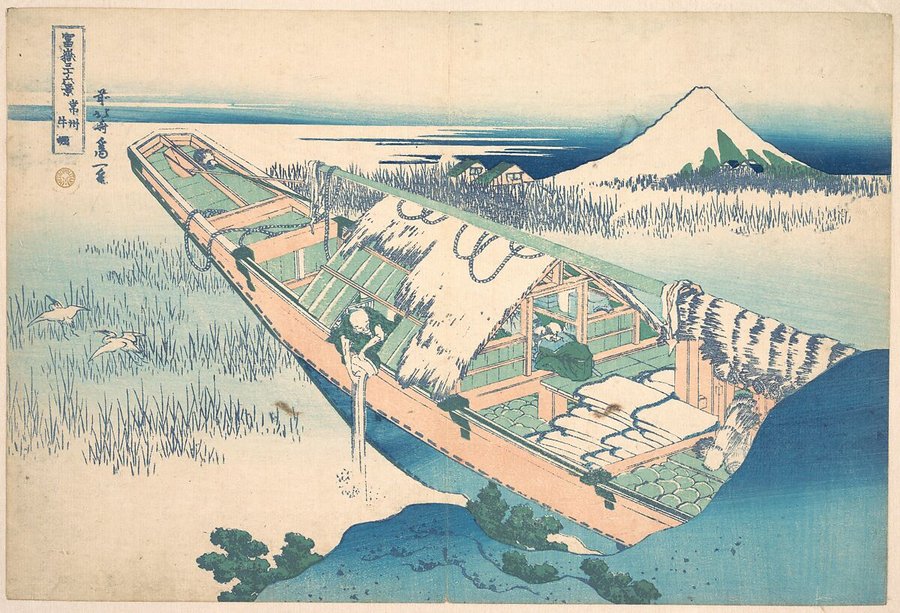
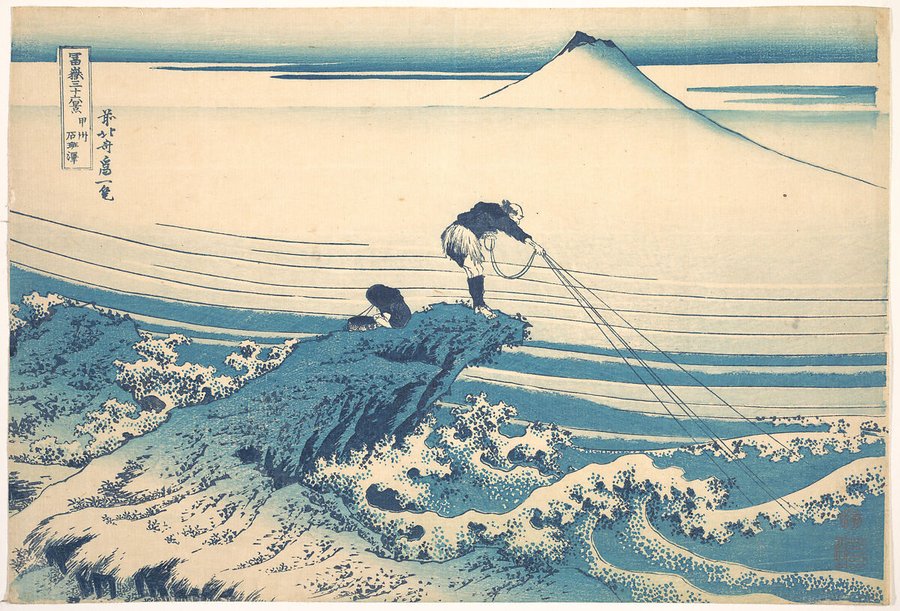
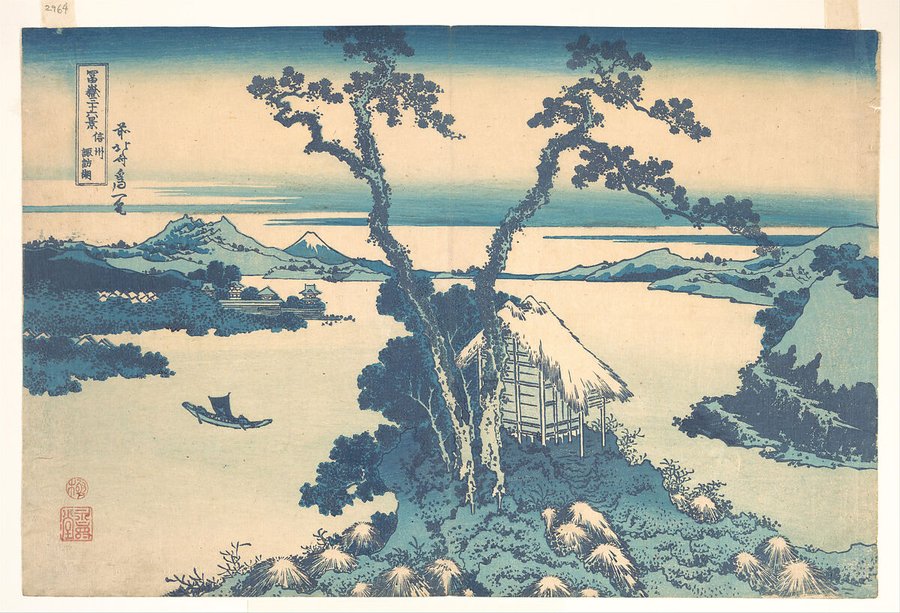
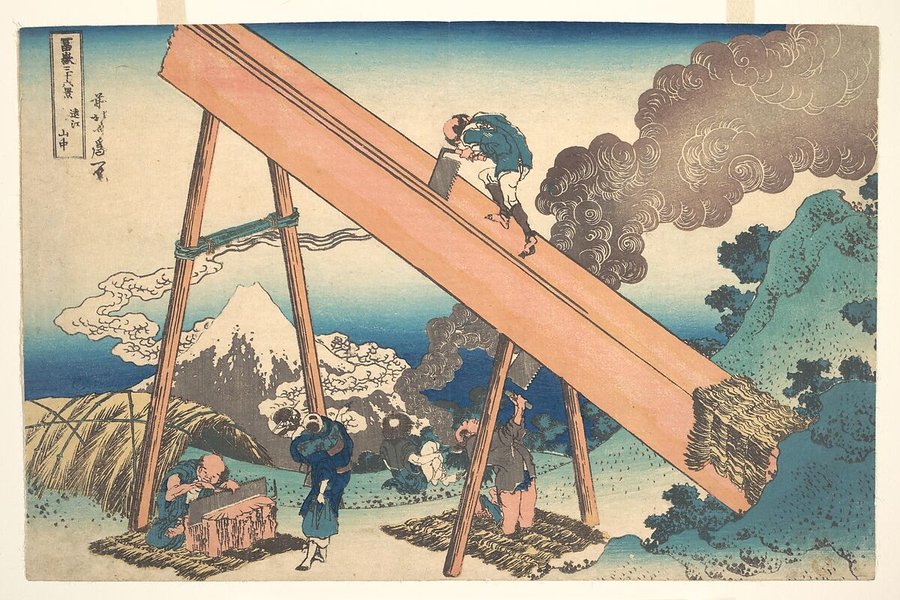
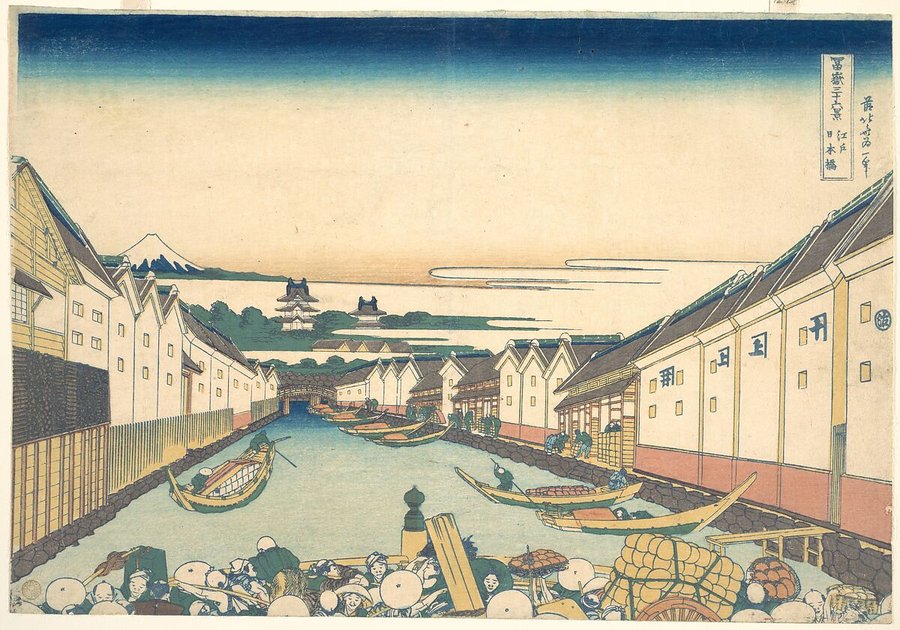
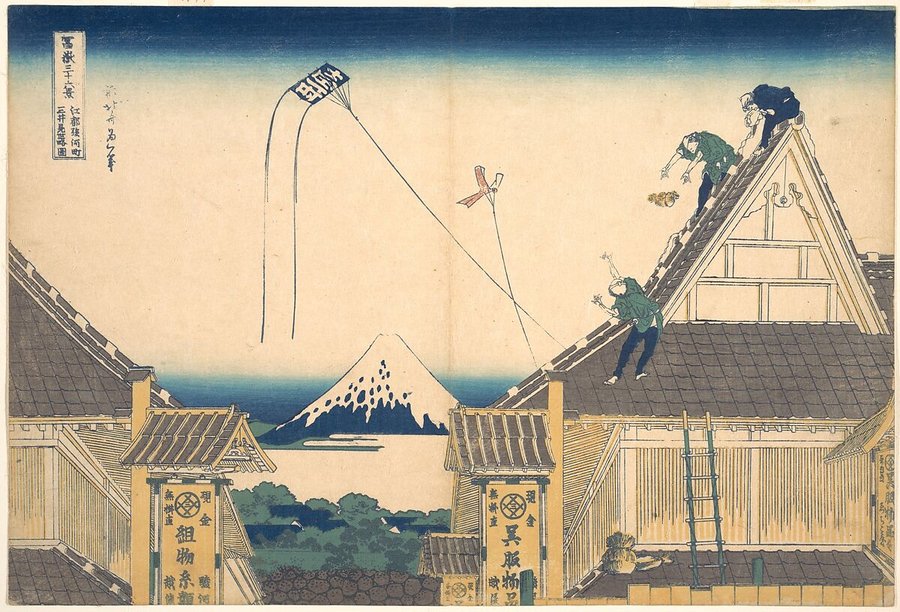
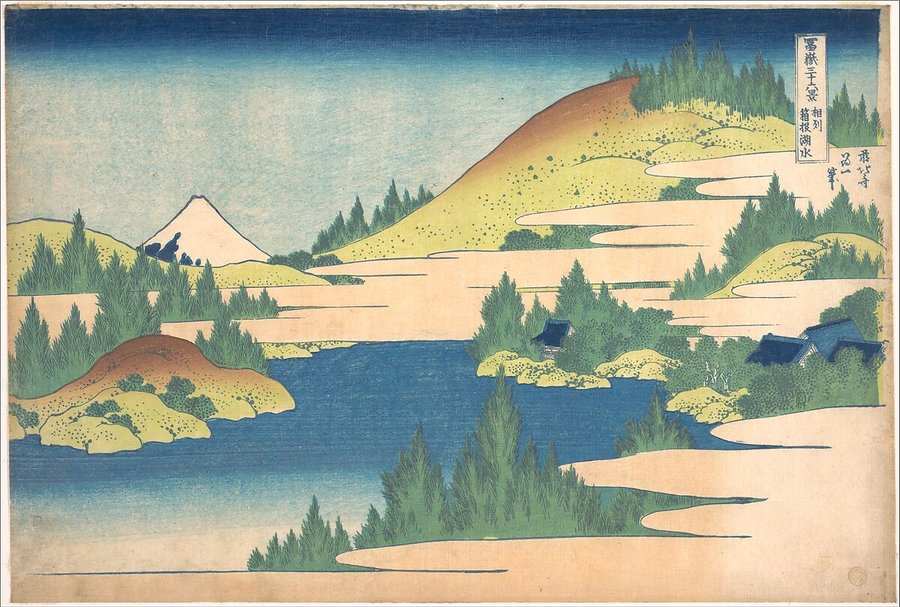
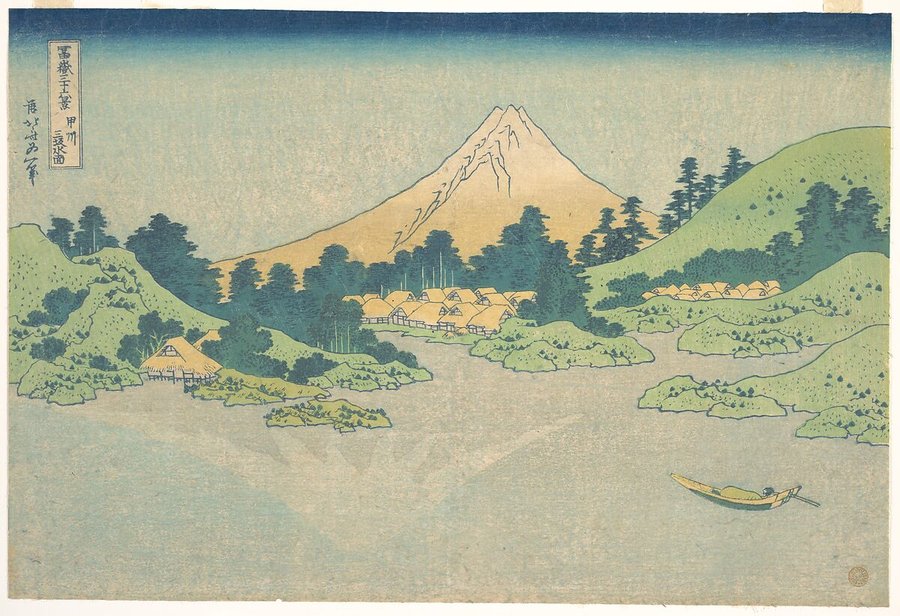
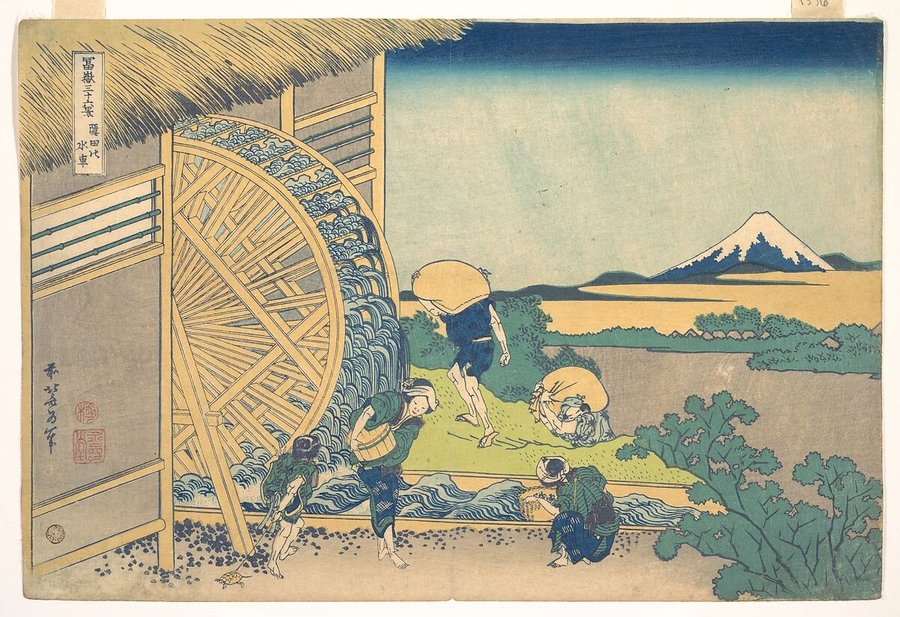
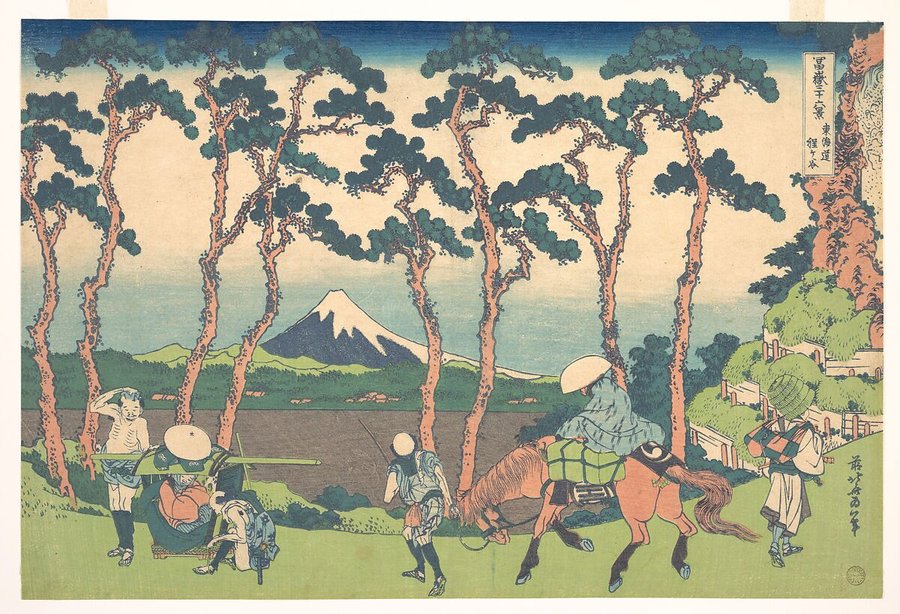
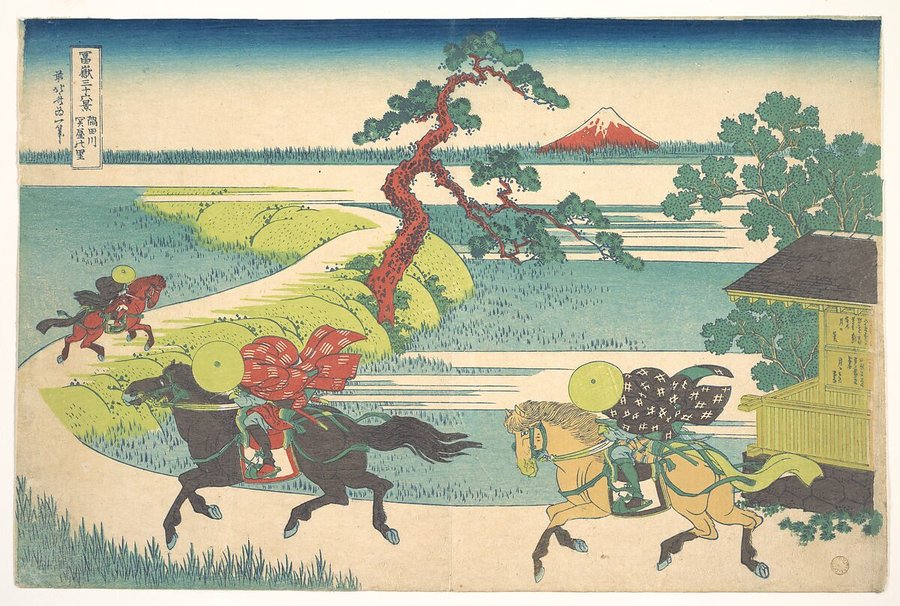
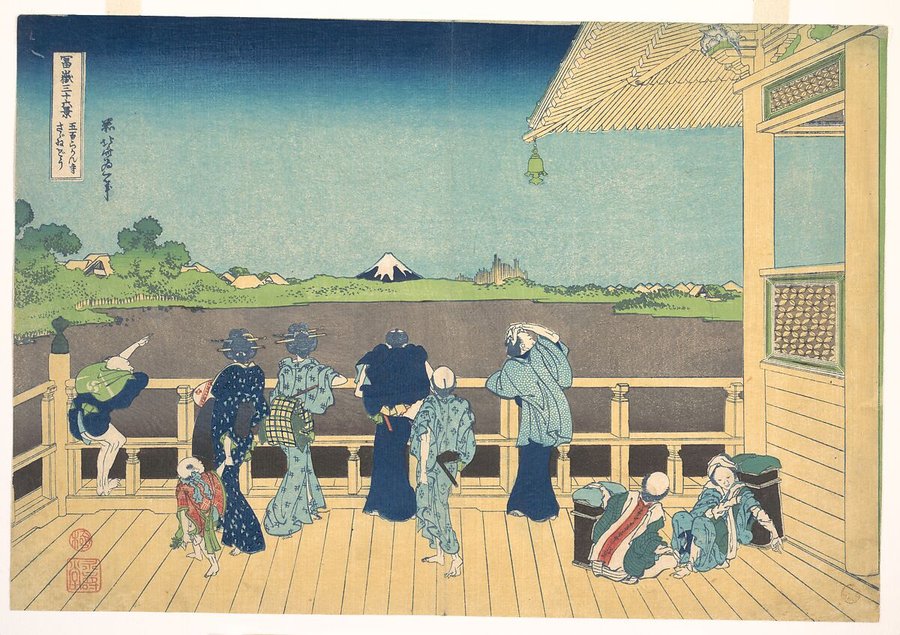
Prints in this article