 The Stories Behind Old Japan
鷹の羽Taka no ha
One Feather, Twenty-Eight Crests
Reading Hawk-Feather Family Crests by Five Rules
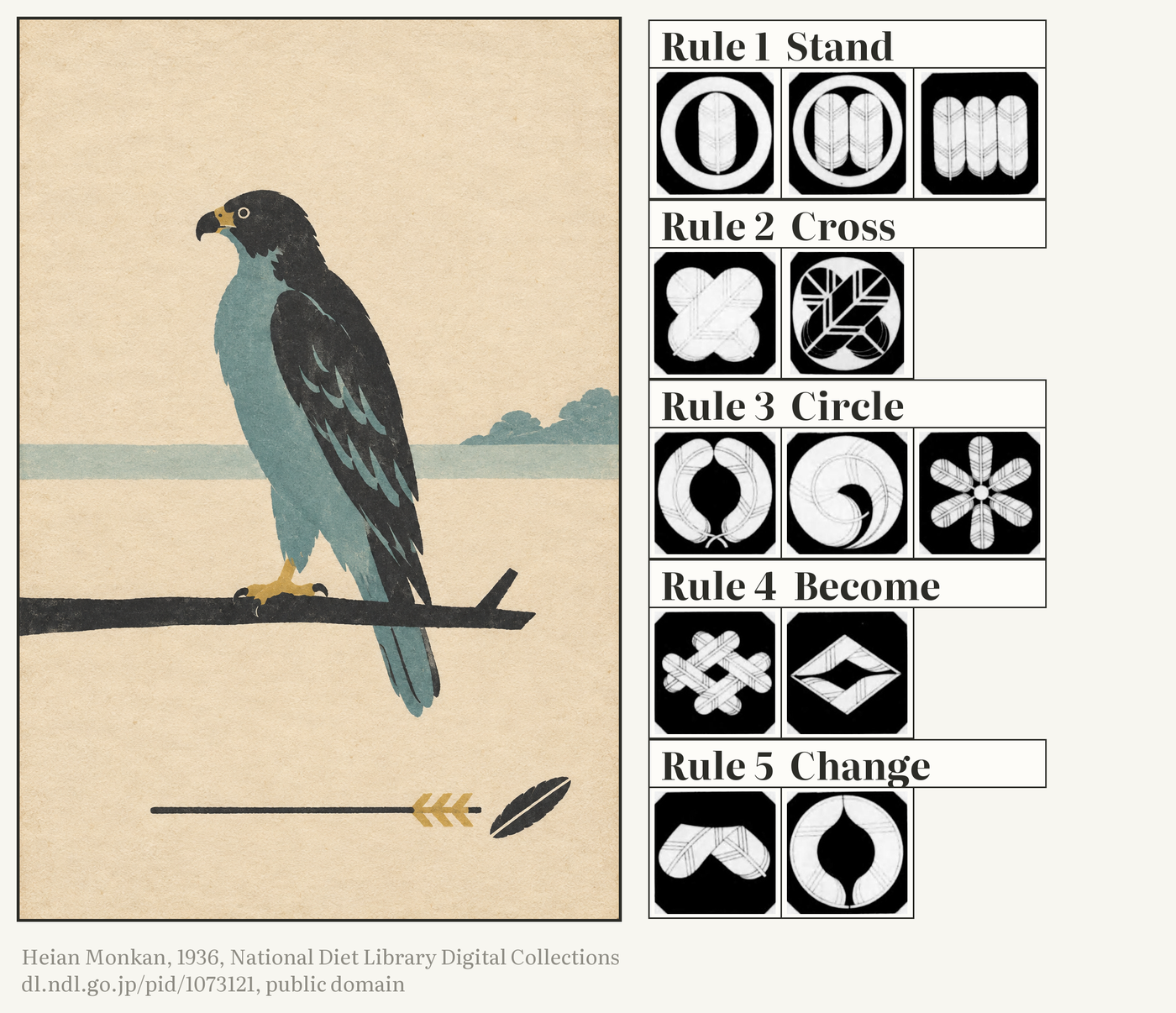
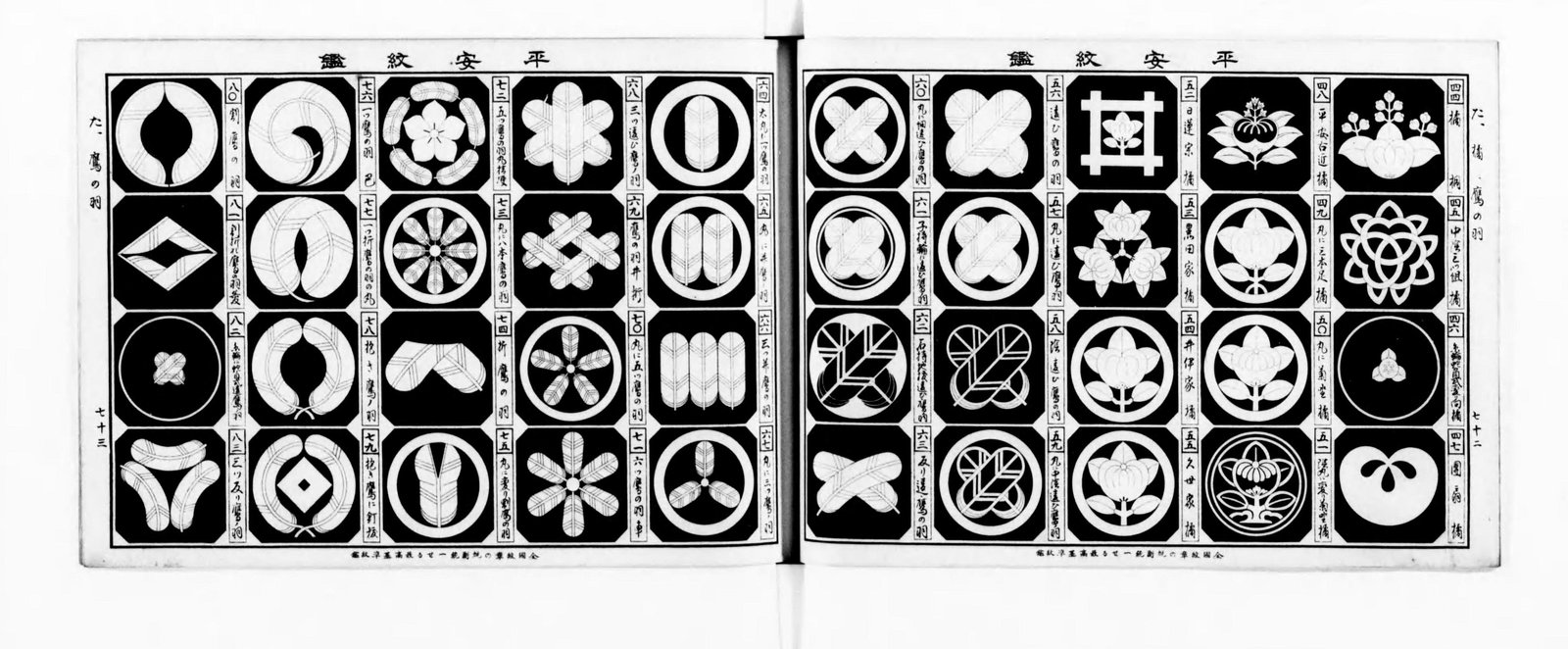
Japan has tens of thousands of family crests, and the hawk feather alone appears in 28 shapes on just two facing pages of one old catalog. Behind that variety there are only five rules.
A single feather stands for the hawk, not the whole bird
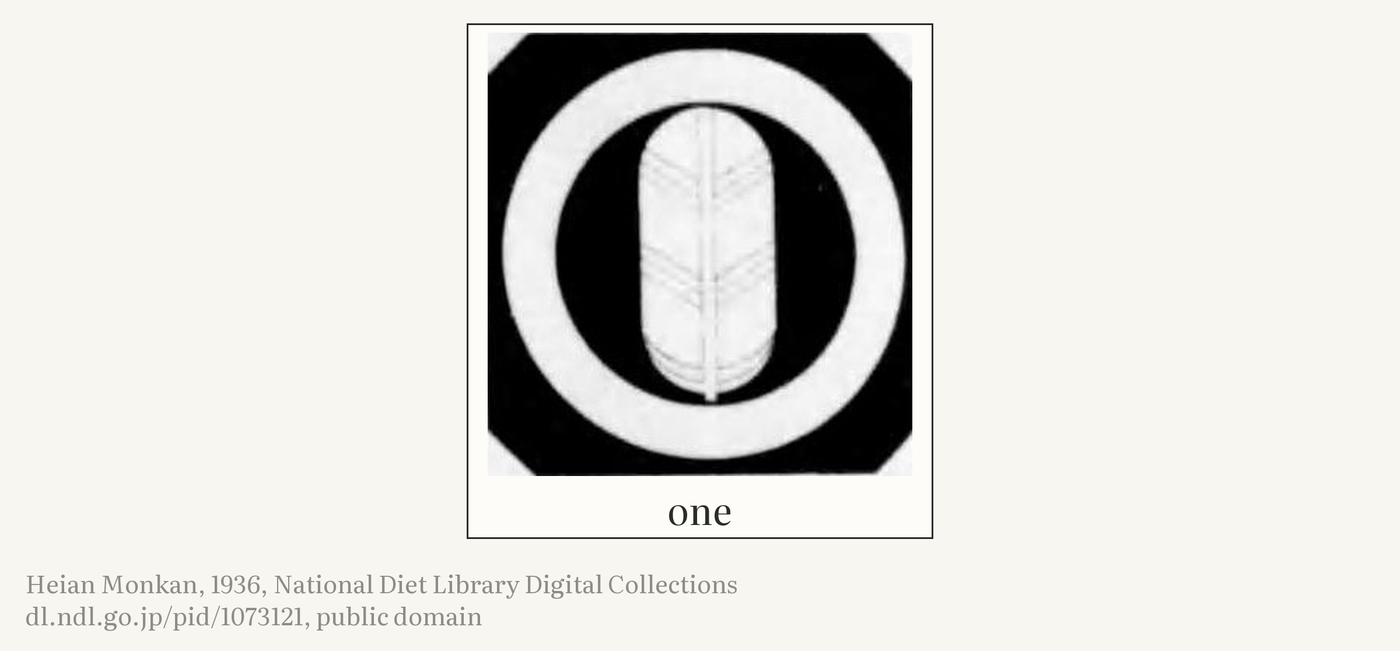
The crest shows one feather rather than the whole bird, because the feather itself carried meaning as a military emblem. That single feather is the starting point for every shape.
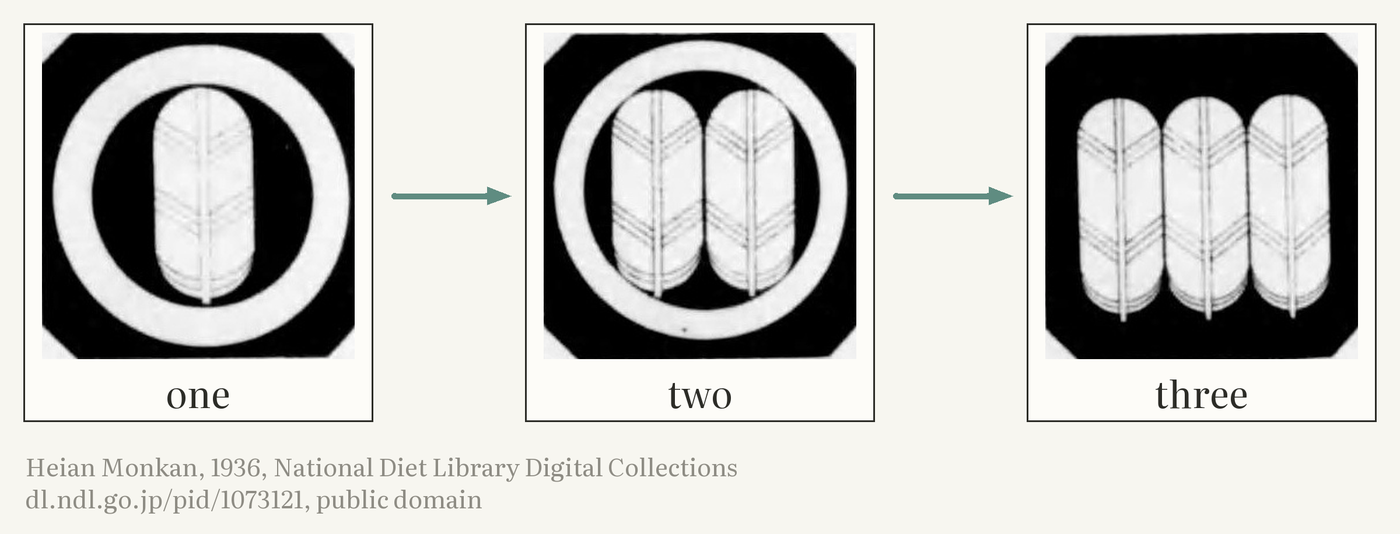
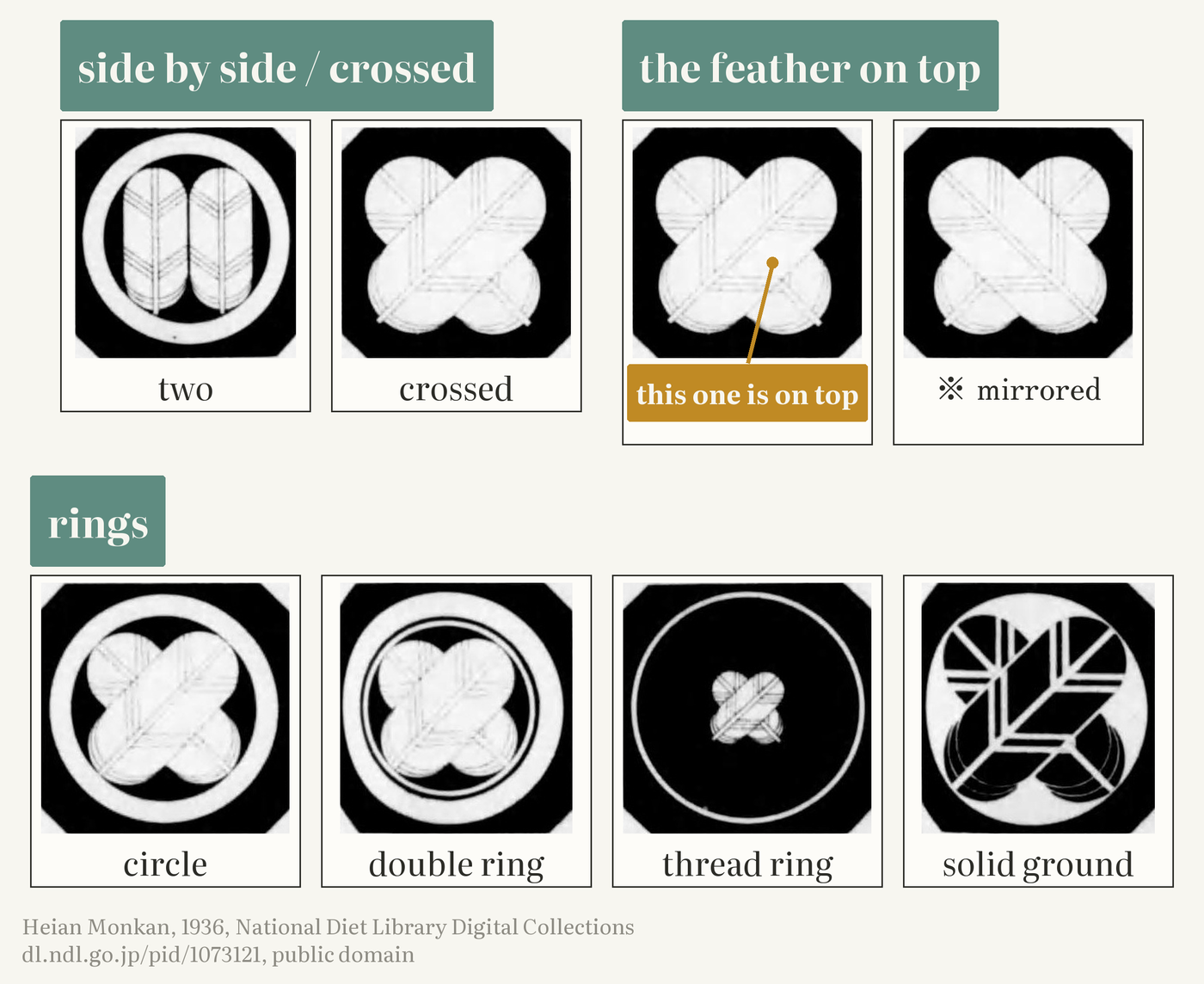
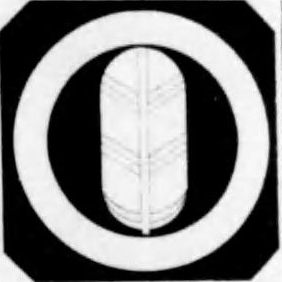
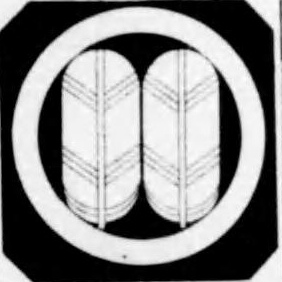
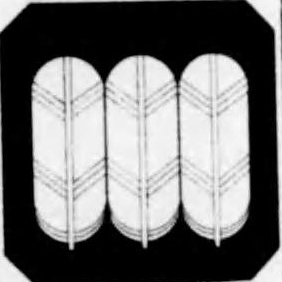
Rule 1 Stand them up: change the number
Change how many feathers stand side by side, and each number becomes a different crest.
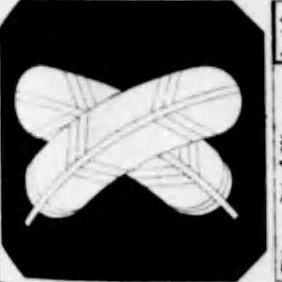
Rule 2 Cross them: two feathers crossed
Crossing two feathers is by far the most common form. Even the direction of the crossing, or the ring around it, makes a new crest.
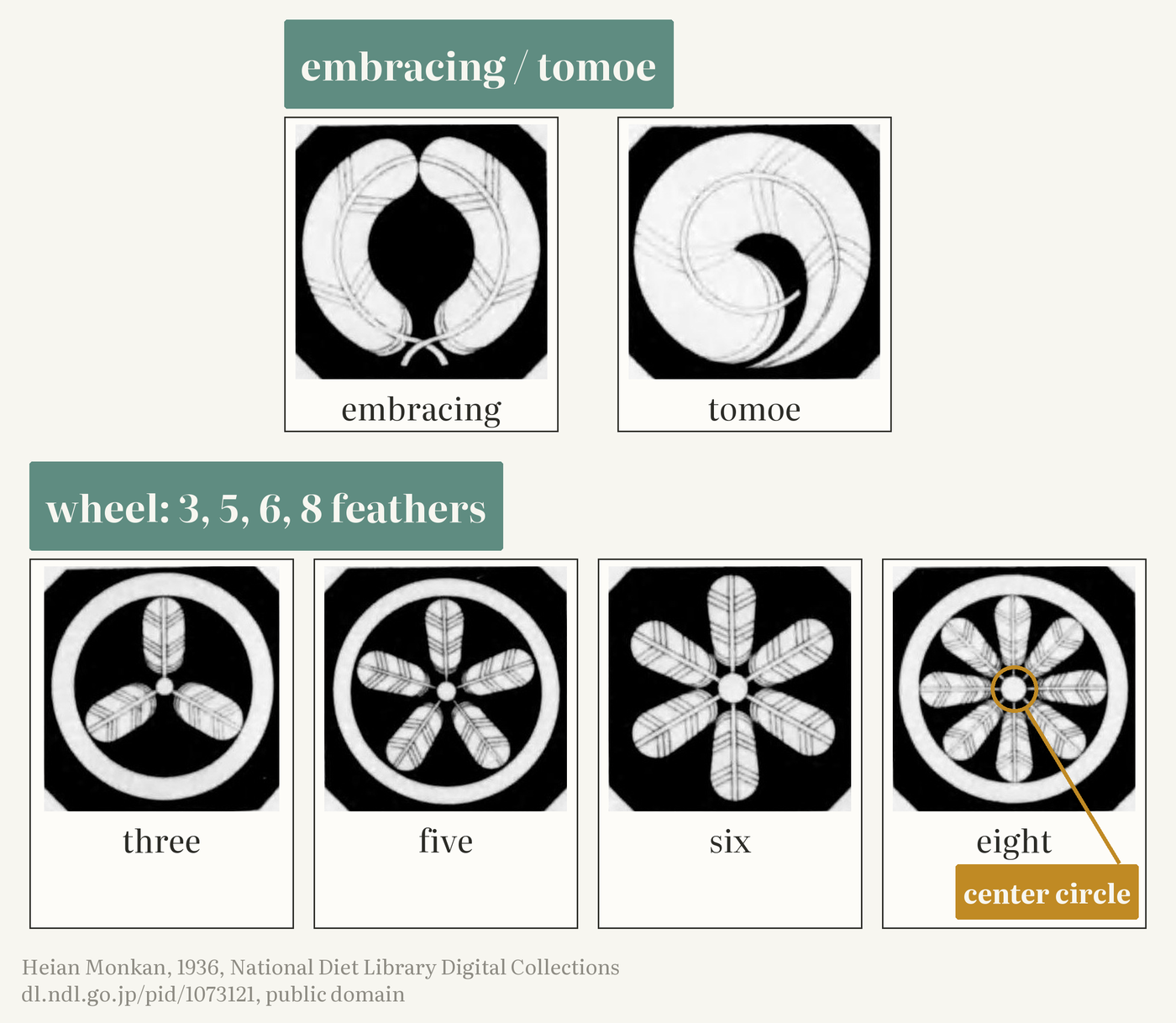
Rule 3 Set them in a circle: embracing, tomoe, wheel
Feathers can face each other, curl into a comma shape, or radiate like a wheel held together by a small circle at the center.
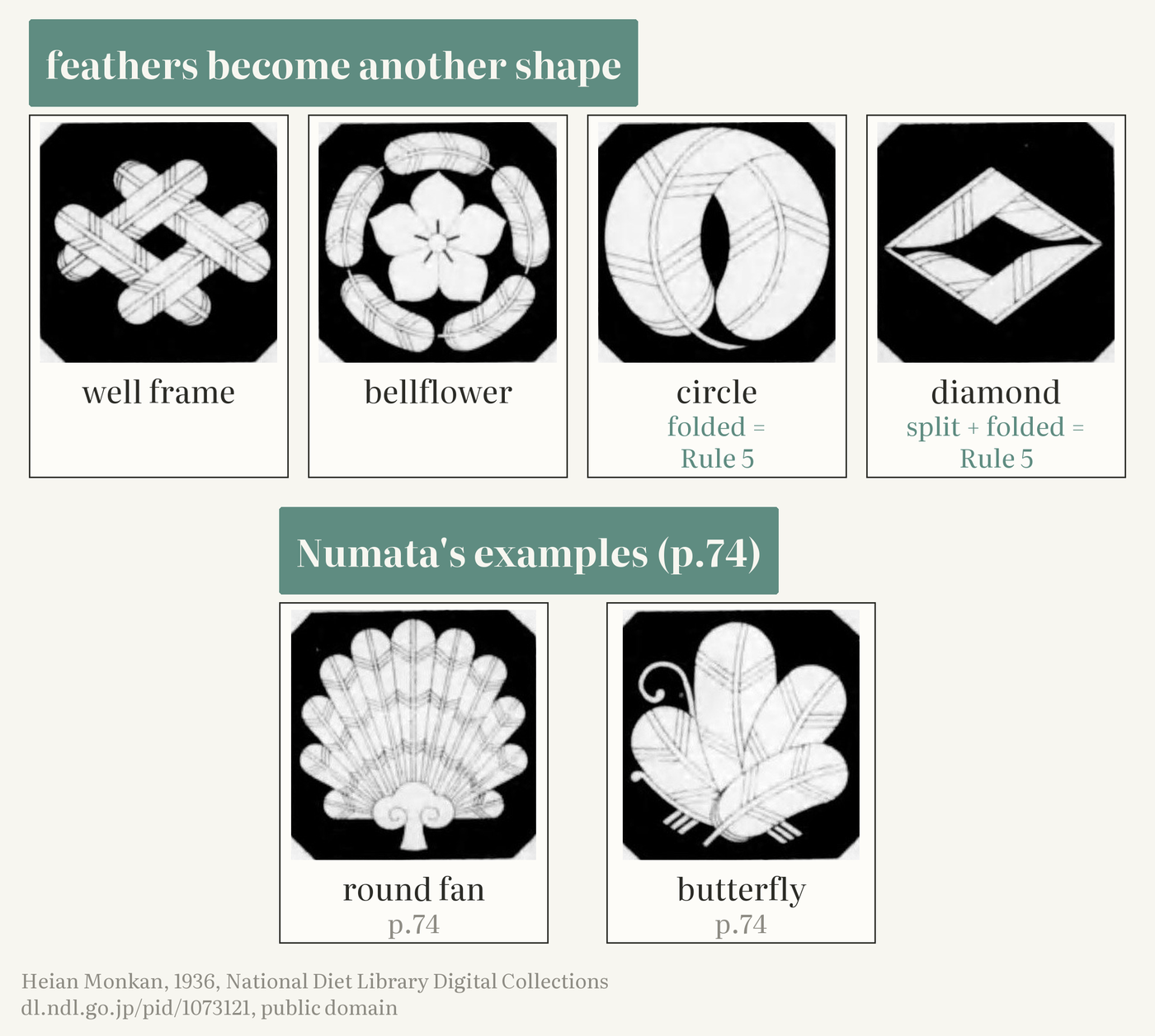
Rule 4 Turn into other things: well frame, diamond, circle
Several feathers can be combined into the outline of something else, such as the frame around a well. Each feather stays a feather; only the overall shape changes.
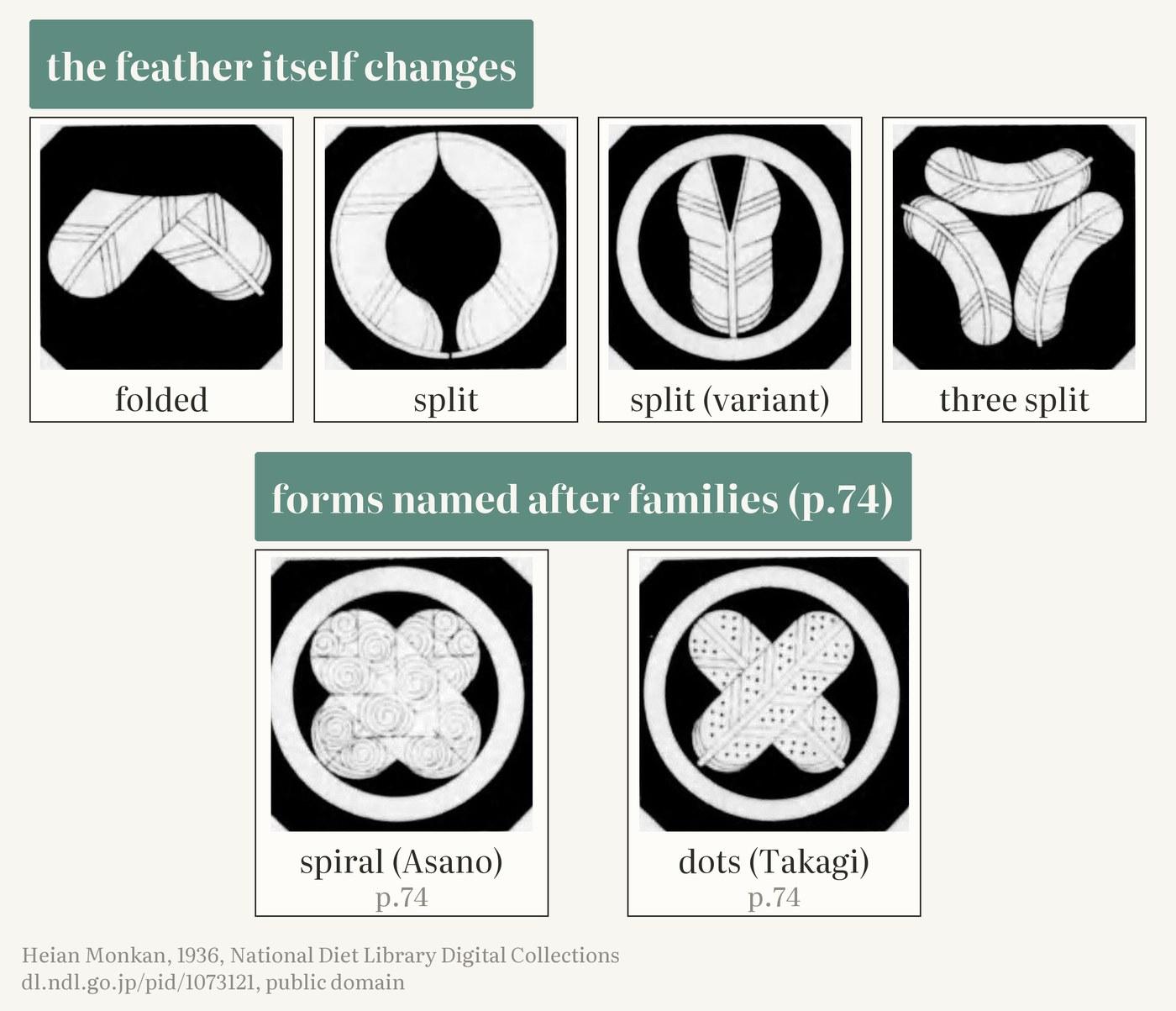
Rule 5 The feather itself changes: dots, spirals, splits, folds
Dots, spirals, splits, and folds change the feather itself. At this stage, some shapes come to be called by a family's name.
Why they multiply: wanting a crest unlike the neighbor's
As more and more families took up the same crest, each wanted one unlike the family next door. That wish is what multiplied the shapes.
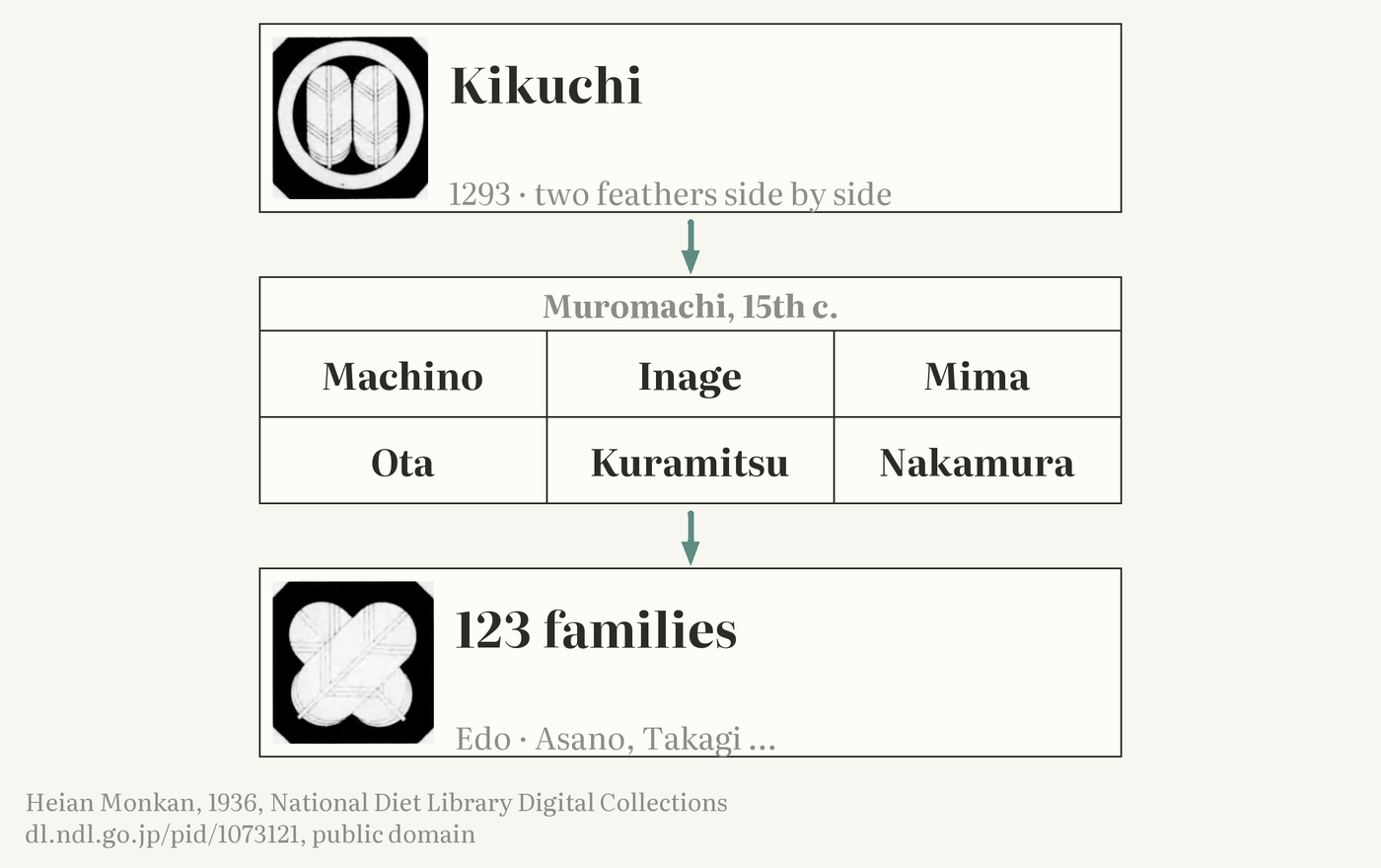
How I researched this
The five rules are my own arrangement, made by setting two older ways of sorting these crests side by side. The crest images are cropped from a public-domain catalog.
Crests in this article
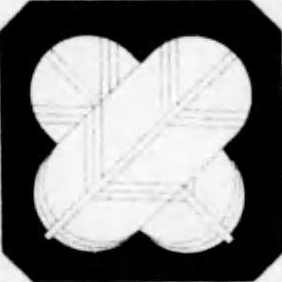
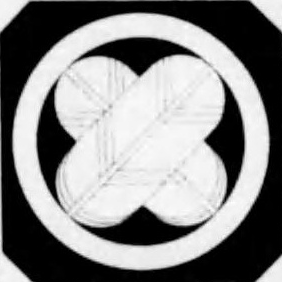
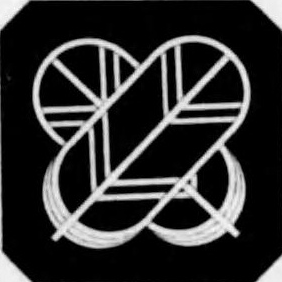
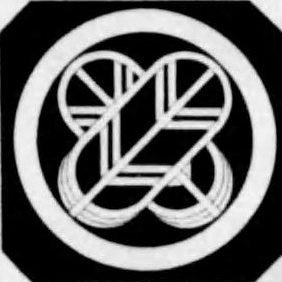
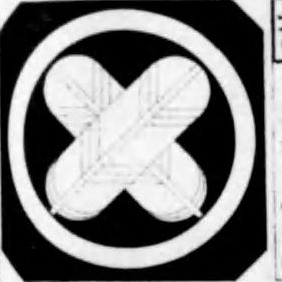
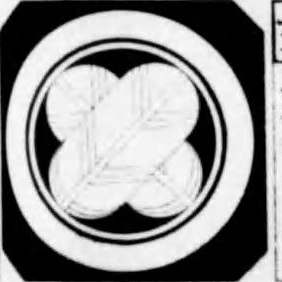
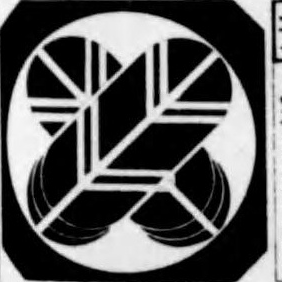
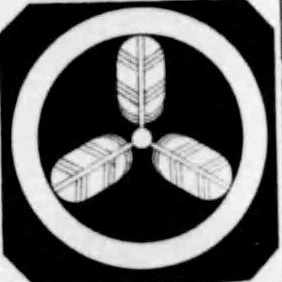
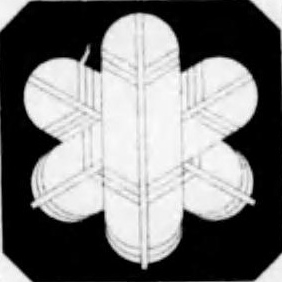
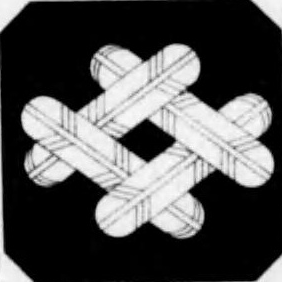
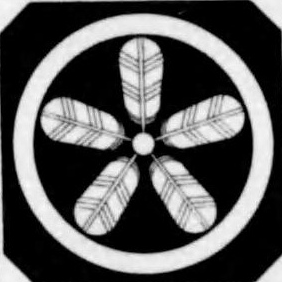
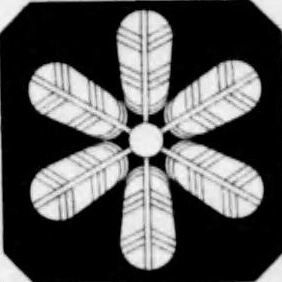
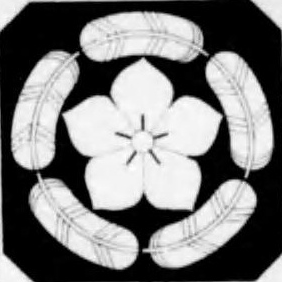
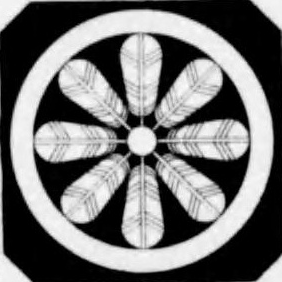
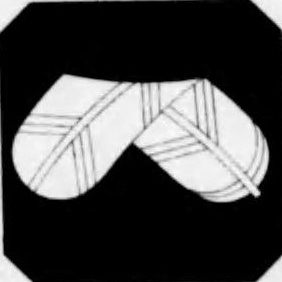
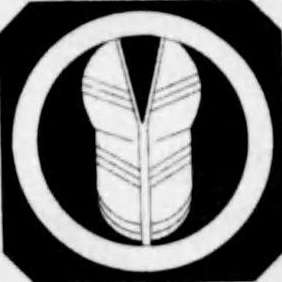
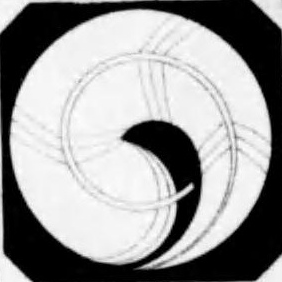
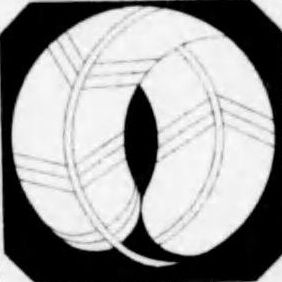
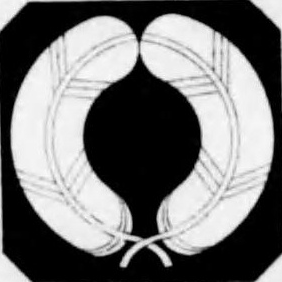
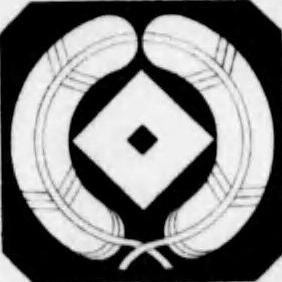
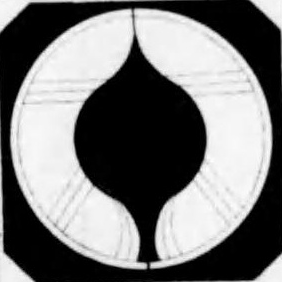
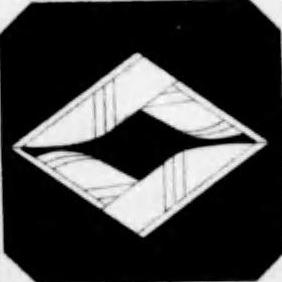
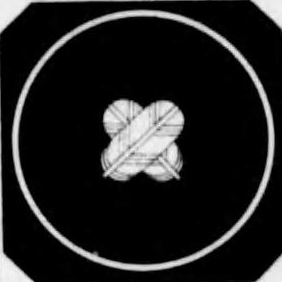
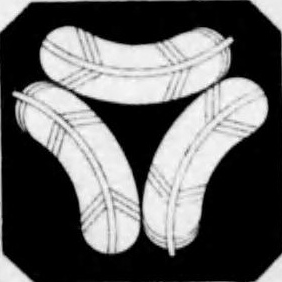
All crests: Heian Monkan (1936), pp. 72–73. National Diet Library Digital Collections, pid 1073121, public domain. Numbers are the catalog's own. · holder's page